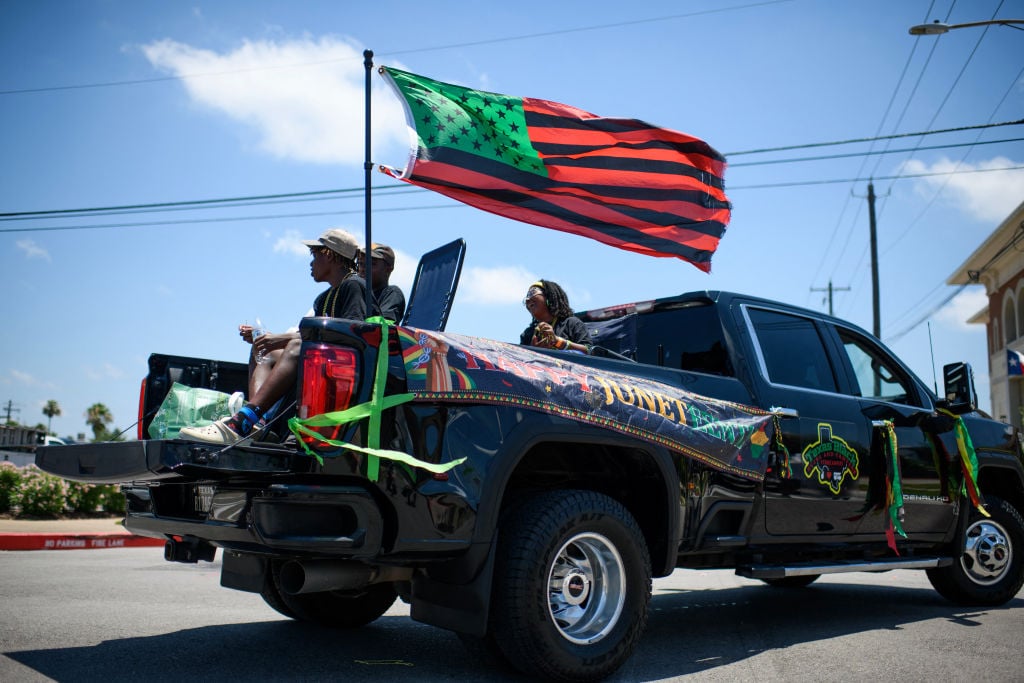
As Juneteenth celebrations take place across the country this week, many Americans will attend festivals, community gatherings and cookouts commemorating June 19, 1865, when the last enslaved African Americans in Galveston, Texas, were finally informed of their freedom.
For generations, Black Texans preserved Juneteenth before it became a federal holiday in 2021. According to the National Museum of African American History and Culture, the holiday commemorates the arrival of Union troops in Galveston, Texas, more than two years after President Abraham Lincoln issued the Emancipation Proclamation. Black Texans continued commemorating the day through Reconstruction, Jim Crow and beyond, preserving a tradition that would eventually gain national recognition.
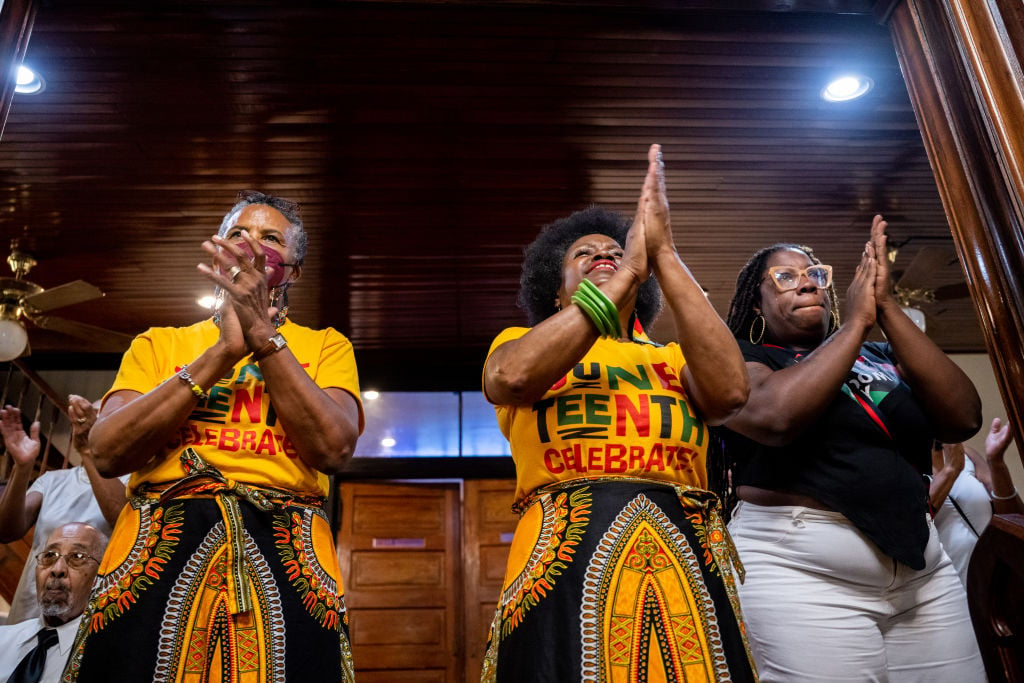
Yet as Juneteenth has become part of the national calendar, questions have emerged about what happens when a local tradition becomes a national symbol.
That sentiment surfaced recently in a Threads post that resonated with many.
“Black American culture is not a monolith,” the post read. “The dances of Washington DC are not the dances of Chicago. The AAVE of Jackson is not the AAVE of Harlem. The Hoodoo practices of Alabama differ from the practices of South Carolina.”
The post then emphasized, “Juneteenth began in Texas. It’s important that we don’t forget that part.”
Blavity spoke with several Texans who not only agreed but expounded on the importance of remembering the roots of such a significant day.
Historian Deah Berry Mitchell remembers Juneteenth as something deeper than a cookout or community festival. In her hometown of Sherman, Texas — just north of Dallas — the holiday combined celebration with education, faith and remembrance.
“Yes, we had the joy and fellowship that we often see with family gatherings, but the holiday also incorporated much of the reverence often associated with Easter in the Black community,” Mitchell told Blavity.
There were speeches to memorize, poems to recite, church services and lessons about Black history. The celebration itself was the culmination of weeks of preparation.
“It was never just a single day,” she said. “It was the culmination of weeks of preparation, and at the end we were gifted with this amazing day of community.”
Mitchell believes many Americans entered the Juneteenth conversation with little historical context. As a result, she said, misconceptions about the holiday continue to circulate.
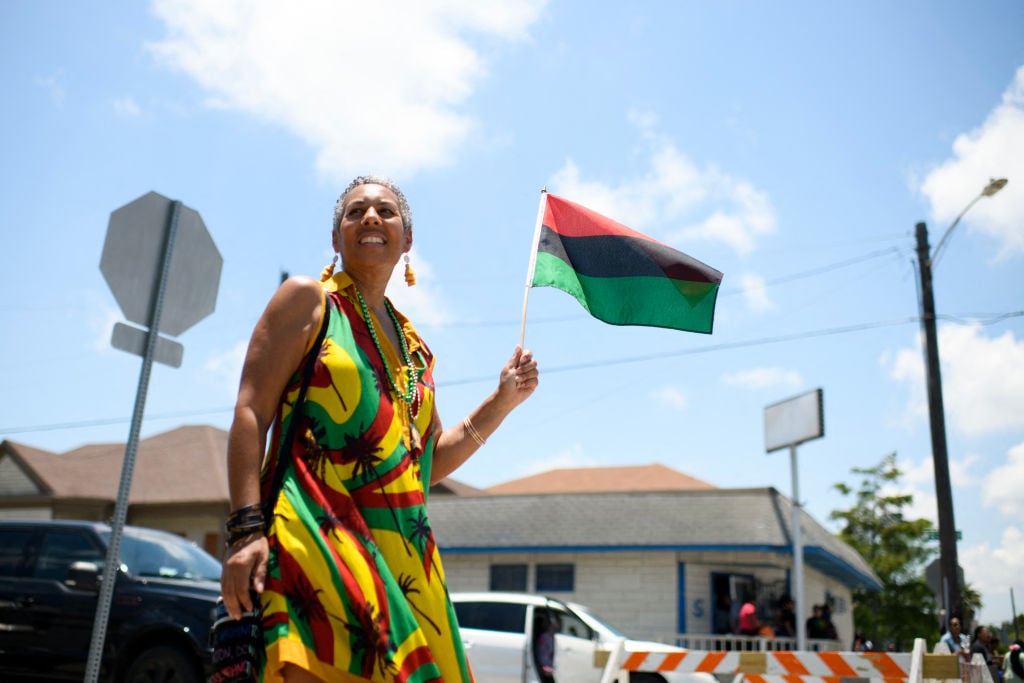
Her concern is not that Juneteenth has become too popular. Rather, it is that historical specificity can disappear as holidays grow.
“Juneteenth belongs to everyone who celebrates it,” Mitchell said. “But history still matters.”
That sentiment was echoed by Houston native Ausha Simone, who remembers Juneteenth through the lens of family and community.
“Honestly, it just looked like my family existing and loving on one another,” she told Blavity. “Music playing in the background, jokes being shared, laughter filling every room, and Black Southern food being prepared with so much love and care that you could feel it before you even took a bite.”
For Simone, Juneteenth was also about the conversations that happened around those gatherings — discussions about community, safety, dreams and the realities facing Black Texans.
“To me, that is home,” she said. “That is culture. That is what the community has always looked like.”
Like Mitchell, Simone worries that some celebrations acknowledge the holiday without fully engaging the history behind it.
“History deserves more than performative recognition,” she said. “It deserves care, accuracy and respect.”
Still, national recognition remains meaningful to many Texans.
Mary Jean Edmon’s connection to Juneteenth spans decades. She was crowned Miss Juneteenth 2006 in Fort Worth, Texas, in a pageant organized by Opal Lee, known as the “Grandmother of Juneteenth.” Years later, she was among the many people who signed Lee’s petition urging the federal government to recognize Juneteenth as a national holiday.

| Photo Provided
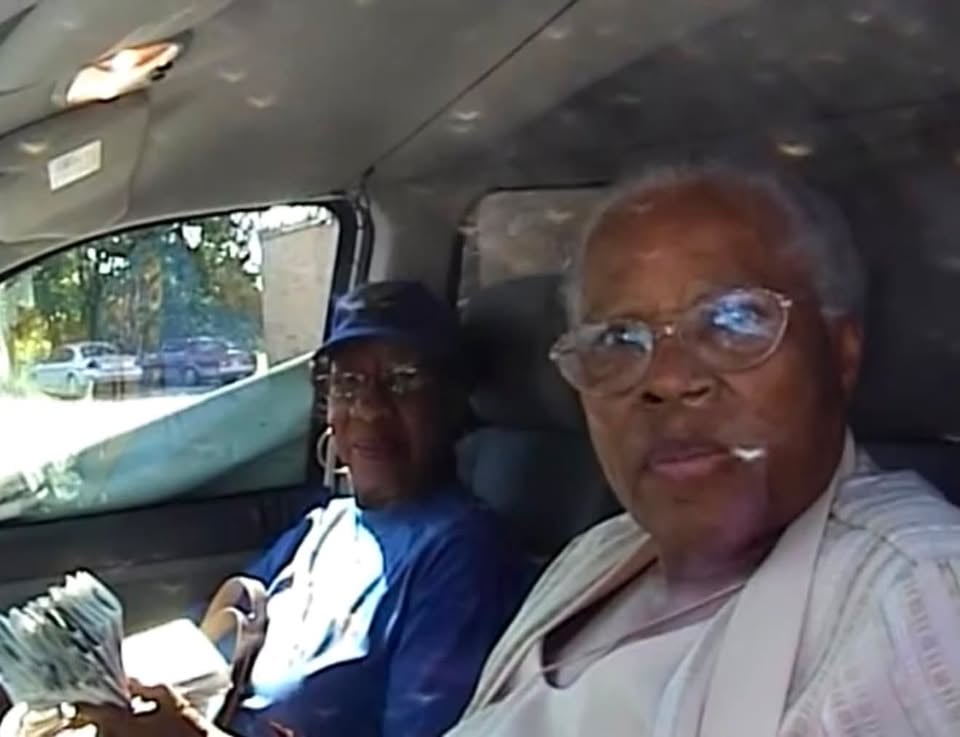
| Photo Provided
“It means so much to see Juneteenth celebrated nationally,” she said.
Edmon remembers hearing stories from her grandmother, who called the holiday “the 19th of June” and recalled a time when it was one of the few days Black Texans could access segregated public spaces. Her grandmother died just months before Juneteenth became a federal holiday in 2021.
“I know she would have loved to see it,” Edmon said.
But while she welcomes Juneteenth’s national growth, she worries that some celebrations have become disconnected from the Black Southern traditions that sustained the holiday for generations.
“I think since the national recognition, a lot of the Texas history and connection and celebration of Southern culture has been lost,” Edmon said.
Now living in Seattle, she said some events center a broader celebration of the African diaspora while paying less attention to the Black Southern traditions that shaped Juneteenth.
Her observation points back to the argument that sparked the conversation in the first place.
Black history is often discussed as a single narrative. In reality, Black America has always been shaped by regional cultures, local traditions and distinct historical experiences. Juneteenth’s journey from a Black Texan observance to a national holiday does not erase those differences — it highlights them.
As the nonprofit Embracing Equity notes, Juneteenth offers an opportunity not only to celebrate freedom but also to reflect on the gap between legal rights and lived reality. That reflection becomes more meaningful when the people and places at the center of the story remain part of it.
As Juneteenth’s significance continues to expand beyond Texas, many of the people who have celebrated it for generations aren’t arguing against the hard-won recognition. They simply want the history to travel alongside it.
As Mitchell emphasized, “Juneteenth belongs to everyone who celebrates it. But history still matters.”