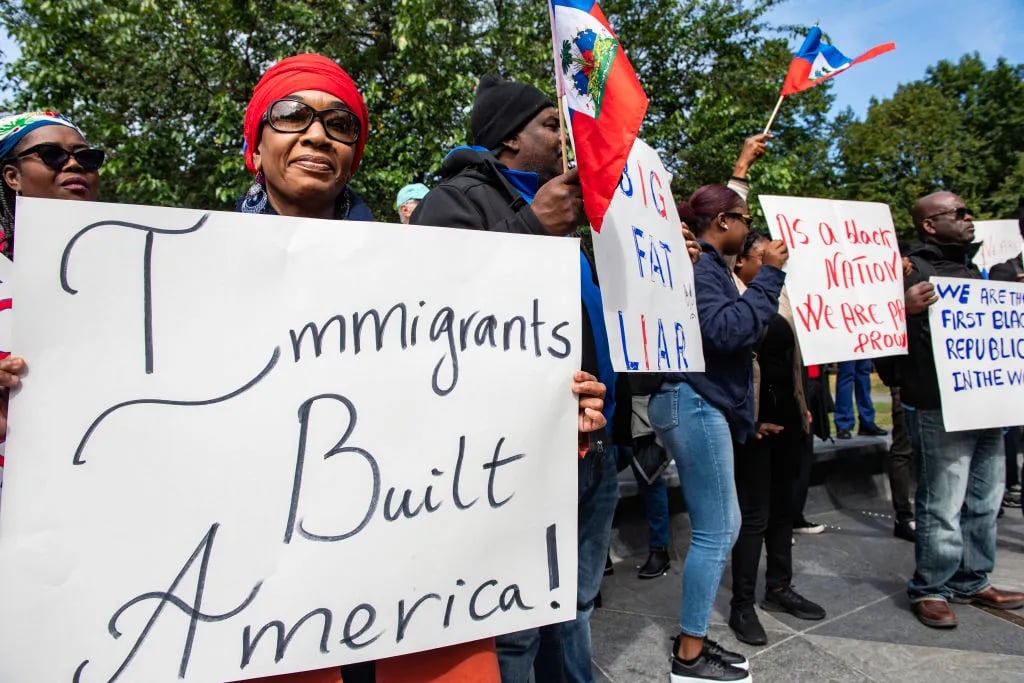
A new report indicates that Immigration and Customs Enforcement (ICE) may be preparing a large-scale operation targeting Haitians living in the United States after fleeing dangerous conditions in their home country. The expected raids come after the Supreme Court appeared to clear the way for the Trump administration to end protected status for hundreds of thousands of people despite concerns about racial bias and due process.
ICE reportedly planning operations against Haitians as TPS ends
CBS News reported that ICE is preparing for a large-scale operation to detain Haitians who have been living in the United States under Temporary Protected Status after President Donald Trump canceled the designation.
Sources within the federal government and documents reviewed by CBS indicate immigration operations targeting Haitians could begin this week. More than 300,000 Haitians in the U.S. with TPS, along with immigrants from other countries whose TPS designations have been revoked by the Trump administration, are subject to detention and deportation.
The plans reviewed by CBS indicate ICE operations could target Haitians in Ohio.
In a statement to CBS, Department of Homeland Security officials declined to “discuss ongoing or future operations” but accused TPS of becoming a “de facto amnesty program.”
“It’s closing time which means you don’t have to go home, but you can’t stay here,” DHS said. “The good news is it’s not too late to get a $2,600 check and a free flight home,” the agency added, referring to its offer for immigrants who voluntarily leave the country.
Supreme Court cleared the way for Trump in TPS fight
The expected deportations come after the Supreme Court last month allowed the Trump administration to move forward with ending TPS protections for Haitians and nationals of several other countries.
The TPS program designates countries as unsafe because of conditions such as natural disasters or armed conflict, allowing eligible nationals already in the United States to remain temporarily.
Since returning to the White House, Trump has sought to remove Haiti and several other countries from the TPS list, prompting legal challenges and legislation in Congress aimed at extending TPS protections for Haitians.
In June, the Supreme Court’s conservative majority allowed the administration to proceed with ending TPS while litigation continues. The court rejected arguments that racial bias, including anti-Haitian statements made by Trump and Vice President JD Vance during the 2024 campaign, should block the policy.
In her dissent, Justice Elena Kagan wrote that remarks made by Trump about Haitians “fairly shout, in their racial undertones and overtones alike, that race entered into the president’s resolve to remove Haitians from this country.”
Advocates continue legal fight to protect immigrants with TPS
Although the Supreme Court’s June decision appeared to clear the way for the administration to move forward with ending TPS protections, several legal challenges remain.
Federal judges have indicated they will temporarily continue enforcing TPS protections for nationals of countries including Burma, Ethiopia and South Sudan while they review the implications of the Supreme Court’s decision.
Lawyers representing nationals of those countries, as well as Yemen, argue that ending their TPS protections violates the Due Process Clause of the Fifth Amendment. They have also challenged whether administration officials followed the proper legal procedures when withdrawing TPS designations.
Separately, attorneys representing Haitians with TPS are seeking to introduce additional evidence that Haiti’s removal from the program was motivated by racial bias.
It remains unclear whether those legal challenges will prevent the Trump administration from deporting people to Haiti and other countries that were previously designated as unsafe. With immigration enforcement reportedly expected to begin soon, the courts may not have enough time to resolve the pending cases before detentions and deportations begin.