
For generations, jazz has remained intertwined with Harlem’s identity, serving as both a reflection of the neighborhood’s history and a living part of its cultural present. While Harlem’s role in shaping the genre is well documented, musicians, venue operators and cultural organizations continue working to ensure jazz remains accessible to new audiences and future generations.
That effort can be seen throughout the neighborhood, including at venues like Red Rooster Harlem, where live performances remain a regular fixture. According to Harlem Late Night Jazz co-founders Dakota Pippins and C. Kelly Wright, preserving Harlem’s relationship with jazz isn’t simply about honoring the past—it’s about creating opportunities for the music to remain relevant in the present.
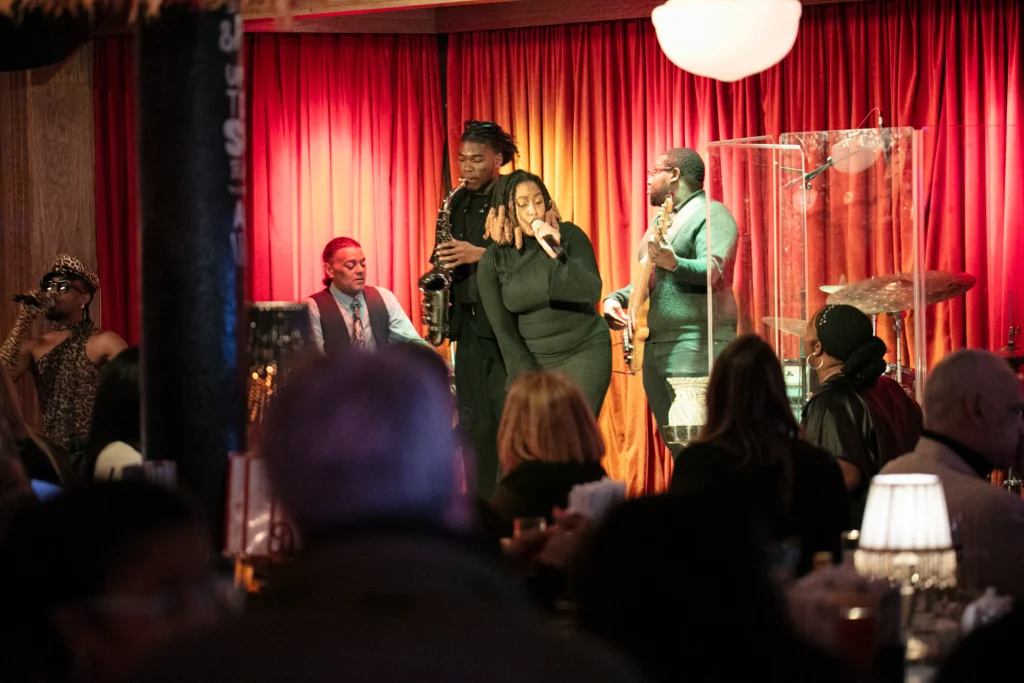
The neighborhood’s relationship with jazz extends beyond music
For Pippins, Harlem’s connection to jazz has always represented something larger than entertainment.
“What makes Harlem’s relationship to jazz unique is that the music has always been more than entertainment,” Pippins tells Blavity. “It has served as a source of identity, resilience, spiritual expression and community connection.”
He points to Harlem’s role during the Harlem Renaissance as one reason the neighborhood remains so closely tied to the genre today.
“Harlem was the epicenter of the Harlem Renaissance and became a gathering place where artists, intellectuals, activists and everyday residents shaped American culture,” he says. “Harlem’s musicians have long understood that the music carries a deeper purpose—to uplift, inspire, heal and bring people together.”
That sense of connection remains central to Harlem Late Night Jazz’s mission.
“As Dakota Pippins often says, ‘Music is the glue that bonds us together as a people,'” he adds. “In Harlem, that idea is visible every day.”
Preserving A Legacy While Making Room For New Voices
While conversations about preservation often focus on protecting the past, Pippins says sustaining Harlem’s jazz culture requires creating space for innovation and contemporary artists.
“Preserving jazz heritage does not mean treating it as a museum piece,” he says. “Instead, it means creating opportunities for today’s artists to engage with that tradition while bringing their own voices, influences and innovations to the stage.”
That philosophy informs the work of organizations like Harlem Late Night Jazz as well as venues that continue to invest in live music programming throughout the neighborhood.
“The key is authenticity,” Wright says. “Rather than recreating the past, the goal is to honor the values that made those spaces important: artistic excellence, community connection, cultural expression and openness to new ideas.”
For Wright, preserving Harlem’s cultural traditions doesn’t mean remaining stuck in nostalgia.
“The result is a space that respects history while remaining fully engaged with the present.”
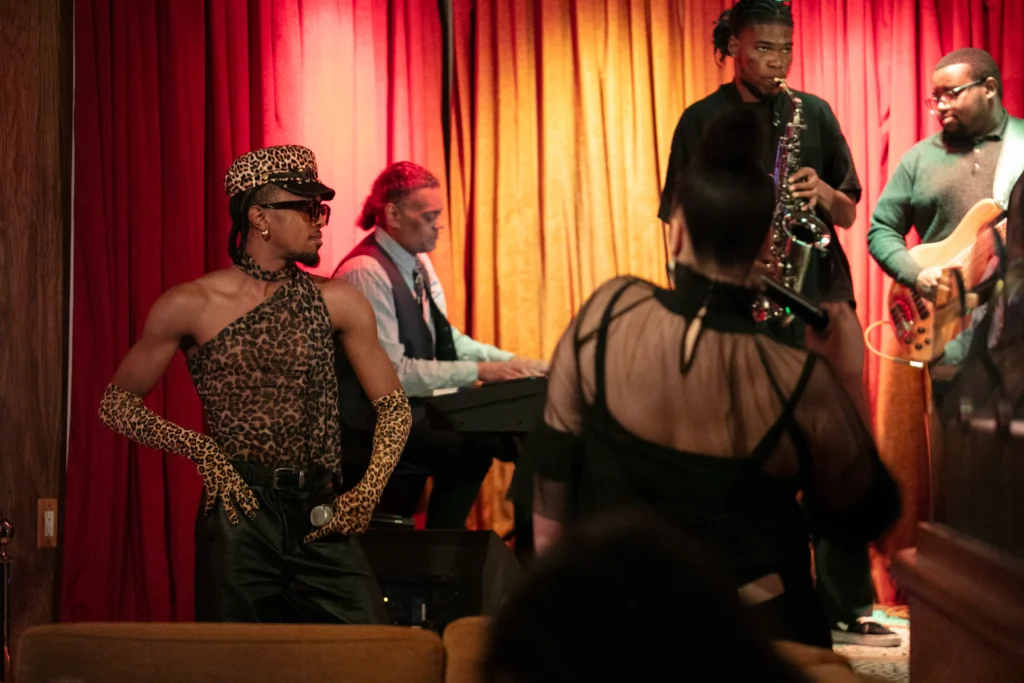
Why community spaces continue to matter
Pippins believes one of the reasons jazz has endured for so long is because it has traditionally existed in community spaces rather than exclusively in formal performance venues.
“Jazz was born in community spaces,” he says. “Historically, people experienced this music in neighborhood clubs, churches, social halls, restaurants and gathering places.”
That accessibility remains important today, particularly as organizations and venues look for ways to introduce new audiences to the genre.
“When someone comes for brunch and unexpectedly encounters an extraordinary performance, that experience can spark curiosity, inspire appreciation and create a lifelong connection to the music,” Pippins says. “Accessibility helps ensure that jazz remains a living art form rather than something reserved for a select audience.”
Why live jazz still resonates today and looking toward the future
As technology continues to reshape the way people discover and consume music, Wright says live performance offers something audiences still crave.
“People are searching for connection,” he says. “In a world increasingly shaped by screens, algorithms and virtual experiences, live music offers something deeply human and irreplaceable.”
He points to the relationship between performers and audiences as one reason jazz continues to attract listeners across generations.
“Every performance is unique,” Wright says. “The interaction between musicians and audiences creates a shared experience that cannot be replicated online.”
“Jazz continues to resonate because it creates space for listening, reflection, joy and connection,” he adds. “It reminds us of our shared humanity and offers an experience that is both personal and communal.”
As Harlem continues to evolve, both Pippins and Wright believe preserving the neighborhood’s musical legacy will require continued investment in artists, venues and community spaces. For Wright, one of the most encouraging signs is seeing younger musicians learn from established artists and carry those traditions forward.
“What gives us hope is seeing master musicians continue to mentor the next generation—the young lions who will carry this legacy forward in their own voices,” he says.
Ultimately, Wright believes conversations about Harlem’s jazz legacy extend beyond the genre itself.
“The future of jazz is not simply about preserving a genre,” he says. “It is about preserving the values the music represents—joy, peace, freedom, spirituality and love—and sharing those gifts with Harlem and the world.”