
While warm summer weather leads many millions to the ocean beaches and raw bars along the coast, it also provides a ripe environment for the breeding of dangerous marine pathogens. Health officials reported Florida’s first death of the year related to Vibrio vulnificus – also known as “flesh-eating bacteria” in late July 2026, per WTHR.
The victim, who was in their 80s, was living in Palm Beach County and died of a serious infection. Vibriosis is known to cause an estimated 80,000 cases of infection in the United States per year across a broad spectrum of bacterial strains. Understanding how this coastal pathogen attacks the human body, identifying early signs and taking appropriate coastal precautions are essential to safeguarding health.
What is Vibrio vulnificus?
Vibrio vulnificus is a naturally occurring, halophilic (salt-loving) bacterium found in warm, low-salinity coastal waters, including ocean bays, estuaries and gulf coasts, not from sewage contamination, but rather a natural phenomenon of marine aquatic habitat.
Data gathered by the Centers for Disease Control and Prevention (CDC) show that the highest numbers of bacteria occur during the summer months, from May through October, when surface water temperatures are higher.
Vibriosis encompasses a range of milder cases of stomach disease caused by lesser Vibrio species, but those caused by Vibrio vulnificus are more virulent. There have been 33 cases and five deaths in Florida in 2025 and 11 cases statewide so far in 2026, according to health records.
What’s happening in your body
Once Vibrio vulnificus enters the body through an open wound or the digestive system, it produces potent toxins that quickly overwhelm cellular defense mechanisms.
The bacterium has protective mechanisms that make it difficult for human white blood cells to engulf and destroy it, according to the research published by the National Institutes of Health (NIH). Once established in soft tissue, Vibrio vulnificus releases destructive enzymes that damage cell membranes, blood vessels and deprive the area of oxygen.
This fast tissue destruction causes a serious infection, known as necrotizing fasciitis, which results in the death of the tissue on the outside of a wound. The bacteria invade regional blood vessels and, as a result, cause serious systemic diseases.
Causes of Vibrio vulnificus
There are two main routes of exposure to infection: warm coastal water and raw seafood. The CDC reports that human transmission can occur when an open wound comes into contact with warm seawater or brackish water. This may involve any cuts, punctures or abrasions.
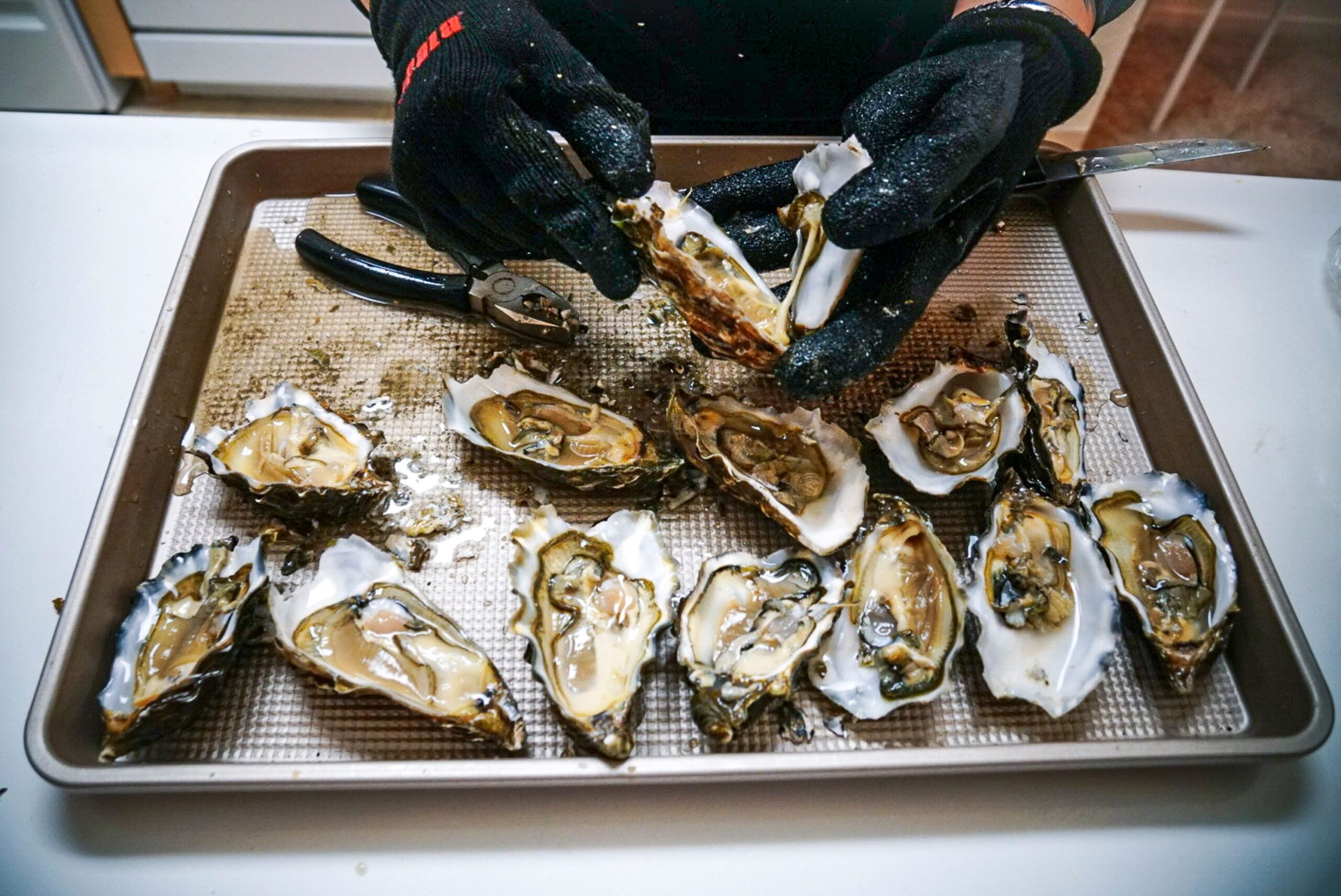
It can also be spread by eating raw or undercooked shellfish from warm, marine waters, especially raw oysters. Also, bacteria can enter through any breaks in the skin when they come into contact with raw seafood drippings.
Can Vibrio vulnificus go away on its own?
No, a Vibrio vulnificus infection will not resolve without clinical intervention and is a true medical emergency. Vibrio vulnificus is a bacterium that reproduces at an extremely fast rate, different from minor viral stomach ailments or superficial skin irritations, which the immune system can naturally clear over time.
If specific antibiotics are not given intravenously and, if a wound is involved, aggressive surgery to remove dead tissue is not performed, the bacteria will keep eating away the tissue and move into the bloodstream, causing death very quickly.
Health risks and complications
Vibrio vulnificus is regarded as one of the most virulent foodborne and wound pathogens, with a very high mortality rate.
The CDC estimates that about one-fifth of people who are infected with Vibrio vulnificus die of the infection, typically within one or two days of coming down with the disease. It can cause life-threatening complications, such as necrotizing fasciitis, in which the tissue around the wound becomes dead, requiring emergency surgery to remove the affected tissue or amputation of the limb.
Low blood pressure, blistering skin lesions and septic shock, which deprives vital organs of oxygen, are also possible consequences of the infection. The risk of developing severe complications is much greater for someone with a weakened immune system than for someone healthy.
What to do about potential infection
Vibrio vulnificus is a highly motile organism, and prompt action is critical if exposure is suspected.
If you have a cut or abrasion in coastal waters, get out of the water and wash the area with soap and clean running tap water. Do not let an open wound get into contact with ocean water, brackish estuaries or raw seafood drippings. When harvesting or handling raw shellfish, wear protective gloves to avoid punctured skin.
Dr. Justus Rabach, MD, tells Blavity Health, “If you have an open wound, cut, or scrape, stay completely out of warm salt water and brackish coastal bayous. When cuts occur while in the ocean, wash them straight away with clean tap water and soap and keep a close eye on them for signs of rapid swelling, discoloration or redness.”
When to see a doctor
If you develop the symptoms of an enlarging skin infection after having contact with ocean water or before handling raw shellfish, emergency medical attention should be sought. Any signs of skin lesions that are blistering, rapidly spreading redness, warmth, swelling, discoloration or discharge at a wound site should be immediately taken to a medical professional for evaluation.
People who drink the bacteria experience watery diarrhea, stomach cramps, nausea, vomiting, fever and chills. Other symptoms affecting the body, such as low blood pressure, also require urgent attention. If you need emergency treatment, make sure to tell your healthcare provider whether you have been exposed to seawater or eaten raw seafood recently.
“To prevent Vibrio food poisoning, avoid eating raw shellfish, especially if you are immunocompromised or have chronic liver disease,” Dr. Andrew Handel, pediatric infectious diseases specialist at Stony Brook Children’s Hospital in New York, advised.
Bottom line
Vibrio vulnificus is a naturally occurring, warm-water marine bacterium that can be very dangerous and cause life-threatening wound infections and serious illness when raw seafood is eaten. If untreated, the infection can advance to necrotizing fasciitis or to serious systemic disease within one or two days, and has a mortality rate of about 20%. The best ways to stay safe are to cover open wounds with seawater, avoid raw oysters and seek immediate medical attention if you experience signs of quick redness, fever or stomach upset after exposure to the coast.
Frequently Asked Questions
Can you get Vibrio vulnificus from swimming in the ocean?
Yes, you can contract Vibrio vulnificus while swimming in warm ocean or brackish water if the bacteria come into contact with an open cut, scrape or wound on your skin.
How long does it take for Vibrio vulnificus to show up?
Symptoms of Vibrio vulnificus can appear extremely rapidly, with severe illness occurring within a day or two after consuming raw shellfish or exposing a wound to contaminated seawater.
Citations
Shahin K. Florida records first flesh-eating bacteria death of 2026. WTHR. Published 2026. https://www.wthr.com/article/news/nation-world/florida-first-death-flesh-eating-bacteria-2026/507-fa8a868e-ecad-4bb0-99fe-68de84178591
CDC. About Vibrio Infection.; 2024. https://www.cdc.gov/vibrio/about/index.html
NBC6. Florida sees first death in 2026 from ‘flesh-eating” bacteria in Palm Beach County. NBC 6 South Florida. Published July 30, 2026. https://www.nbcmiami.com/news/national-international/florida-sees-first-death-in-2026-from-flesh-eating-bacteria-in-palm-beach-county/3840338/
Haftel A, Sharman T. Vibrio Vulnificus Infection. StatPearls Publishing; 2023. https://www.ncbi.nlm.nih.gov/books/NBK554404/
CDC. Preventing Vibrio Infection.; 2024. https://www.cdc.gov/vibrio/prevention/index.html
CDC. Health Alert Network (HAN) – 00497 | Severe Vibrio Vulnificus Infections in the United States Associated with Warming Coastal Waters.; 2024. https://www.cdc.gov/han/2023/han00497.html