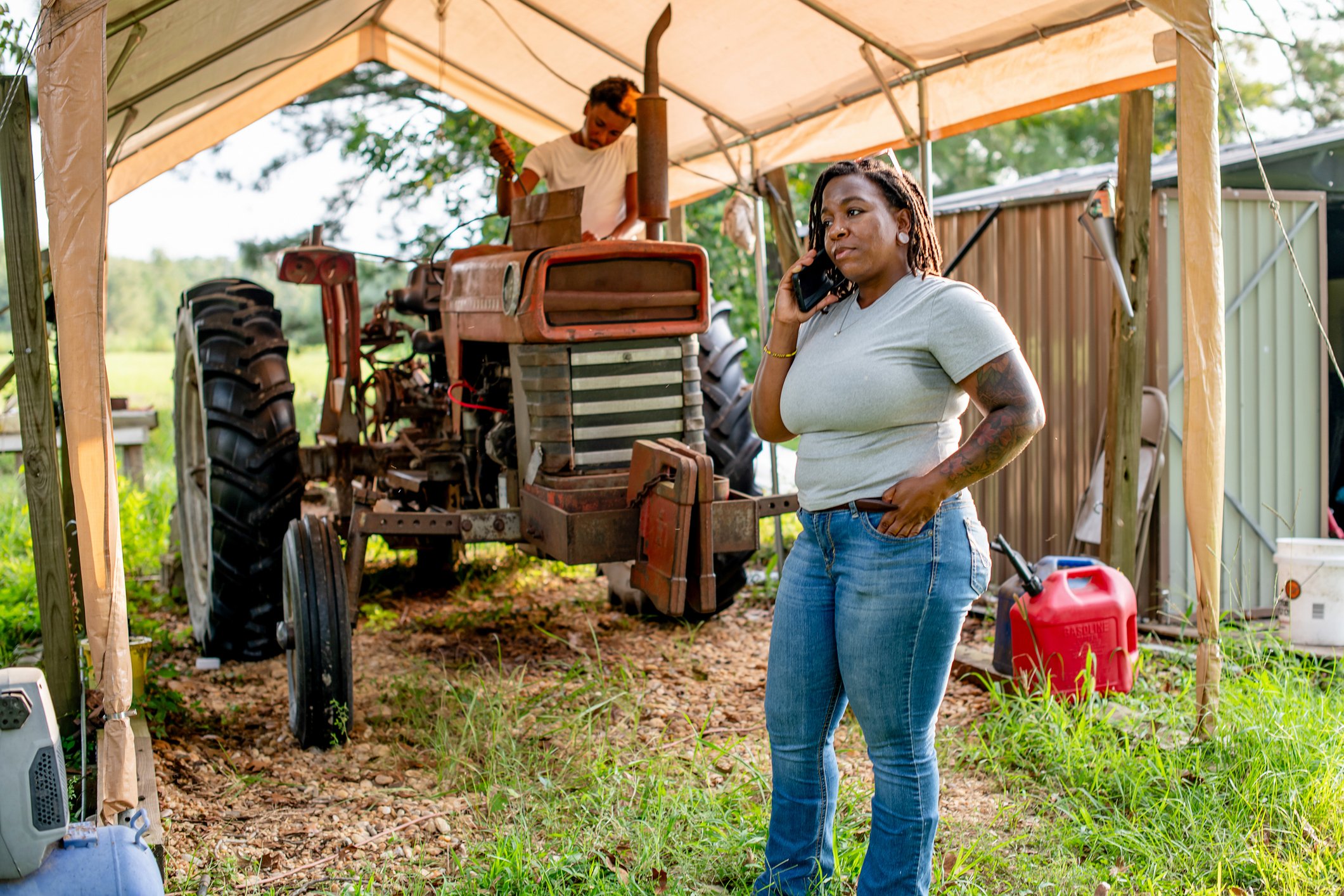
Black farmers and the organizations that support them scored an early legal victory after a federal judge ordered the U.S. Department of Agriculture to restore roughly $127 million in grant funding that the Trump administration had canceled as part of its broader effort to eliminate diversity, equity and inclusion initiatives.
According to Capital B News, U.S. District Judge Beryl Howell’s ruling temporarily reinstates funding for 24 organizations that sued after the USDA terminated grants awarded through the Increasing Land, Capital, and Market Access Program. The grants help beginning and underserved farmers gain access to land, financing, technical assistance and new markets while the lawsuit moves forward.
Why were the grants canceled?
Earlier this year, the USDA terminated the grants, arguing they no longer aligned with the administration’s priorities and describing many of the awards as tied to DEI initiatives. The agency also cited concerns about waste, fraud and abuse.
Represented by Earthjustice and its co-counsel, the organizations challenged the decision, arguing the USDA unlawfully canceled congressionally authorized grants that recipients had already begun using to support farmers and rural communities.
In her opinion, Howell found the plaintiffs were likely to succeed on several of their legal claims and concluded they would suffer irreparable harm if the funding remained canceled.
Why the ruling matters
Although the program served a wide range of underserved agricultural producers, the decision holds significant weight for Black farmers, who have faced discrimination in federal agriculture programs for decades.
Black farmers once made up roughly 14% of the nation’s farmers but today account for less than 2%, a decline the USDA and agricultural advocates have long attributed to discriminatory lending practices, land loss and unequal access to federal support.
The restored grants were designed to help address some of those longstanding barriers by funding organizations that provide technical assistance, business development and market opportunities. Capital B News noted the funding cuts forced some organizations to pause programs, delay services and lay off staff, raising concerns about the long-term impact on the communities they serve.
Court records also show the plaintiffs alleged the USDA identified grants for termination by searching grant documents for terms associated with diversity, equity, inclusion and climate initiatives before canceling them. The administration has defended the cancellations as part of its broader policy priorities.
The decision also comes amid deeper concerns from Black farming advocates about the future of federal support. In a recent TikTok video, National Black Farmers Association founder John Boyd Jr. said he believes Black farmers have often been excluded from conversations about federal agriculture policy under the Trump administration. While his comments were not part of the lawsuit, they reflect concerns advocates have raised about the direction of USDA programs.
@bmbempower8 Ummm 🤔 #Blackfarmers being shunned away at farmers meeting at the #WhiteHouse. John Wesley Boyd Jr is an #AfricanAmerican farmer, civil rights activist and the founder of the National Black Farmers Association (NBFA). Mr. Boyd shared with us that he attempted to participate in a farmer meeting at the White House but was shunned away, as he was told they were distancing themselves from #DEI initiatives. Furthermore, he was informed that the focus had shifted away from supporting black farmers and small-scale farmers, opting instead to assist only white farmers and corporate entities due to their higher production rates. #trump ♬ original sound – BMB Empower Network
What’s next?
The ruling does not permanently resolve the case. Howell’s order is a preliminary injunction, meaning the grants must be restored while the litigation continues.
Earthjustice called the decision an important step toward allowing organizations to resume programs that help underserved farmers overcome barriers to land ownership, financing and market access. A final ruling will determine whether the USDA acted lawfully when it terminated the grants.
For now, however, the decision allows organizations serving Black farmers and other underserved producers to continue work that many advocates say is critical to expanding economic opportunity in rural communities.