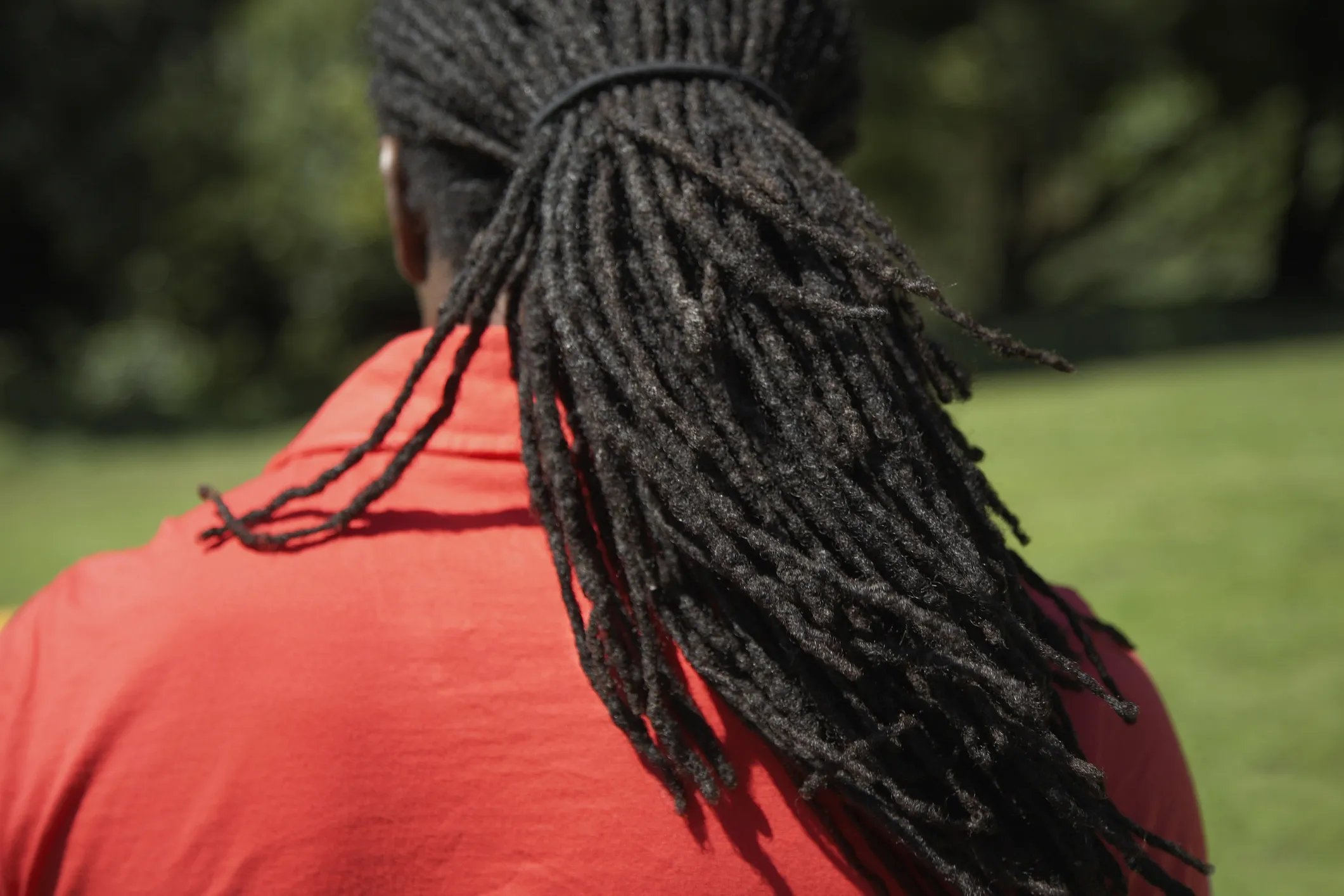
The Supreme Court has decided that a man whose dreadlocks were forcibly shaved in prison cannot sue the prison guards for violating his Rastafarian beliefs. The ruling stands in contrast to other decisions that have protected religious freedoms, and it comes despite support for the man’s lawsuit from the Trump administration and an admission of wrongdoing by the state of Louisiana.
Supreme Court rejects Rastafarian man’s suit against officials who cut his hair
In a 6-3 ruling, the Supreme Court ruled Tuesday that Damon Landor cannot sue the individual Louisiana prison guards who shaved off his dreadlocks while Landor was serving a five-month prison stint in 2020. While authorities have acknowledged that Landor was treated improperly, the 5th U.S. Circuit Court of Appeals ruled that Landor could not individually sue the prison warden and the guards who restrained him and cut his hair, which he had grown for nearly 20 years in observance of his Rastafarian religious beliefs. The Supreme Court’s conservative justices agreed with the appeals court decision that the Religious Land Use and Institutionalized Persons Act, which protects individuals from having their religious rights abused by state officials, did not allow for individual state officials to be sued for violating such rights.
Tuesday’s decision is a departure from past rulings that have tended to protect religious freedom. In separate cases in 2022, the Supreme Court sided with a Texas death row inmate who requested a pastor be able to touch him and pray aloud for him during his execution and a high school football coach who argued for his right to pray on the 50-yard line after games. In 2020, the Supreme Court ruled that a similar federal law to the one invoked in the Landor case, the Religious Freedom Restoration Act, allowed for individual federal officials to be sued for violating individuals’ religious freedom. However, Justice Neil Gorsuch wrote in Tuesday’s ruling that the wording of the two laws was not identical, and that the difference in texts did not allow Landor to sue the Louisiana officials responsible for violating his religious beliefs by cutting his hair.
Agreement that rights were violated; disagreement over responsibility
Tuesday’s ruling comes despite widespread acknowledgment of Landor’s mistreatment. As Blavity previously reported, the Supreme Court in 2025 agreed to hear the case in which Louisiana admitted wrongdoing but fought having to pay damages to Landor. While serving his sentence, Landor carried with him a copy of a ruling in the case of a different inmate that established that an inmate’s dreadlocks could not be cut without his permission due to the Religious Land Use and Institutionalized Persons Act. However, when Landor was transferred to a different prison near the end of his sentence, guards at that facility ignored his pleas, threw his copy of the previous court ruling in the trash and held him down while one of the guards shaved his head.
The violation of Landor’s religious freedom created a case that defied simple political divisions. While the Republican-controlled Louisiana government opposed Landor’s quest for monetary damages, the Trump administration supported Landor’s lawsuit as part of its larger stance concerning religious freedom. In the end, the Supreme Court was divided along ideological lines in the case. The court’s three liberal justices dissented to the ruling, arguing that federal law was clearly meant for a case like Landor’s. “It is not often that a real-life incident so clearly illustrates Congress’s reasons for adopting legislation, or the Constitution’s wisdom in enabling it,” Justice Ketanji Brown Jackson wrote on behalf of herself and her two liberal colleagues.
Even though there is widespread agreement that Landor’s rights were violated, the Supreme Court has ruled that the individuals who were responsible for the offense cannot be held personally liable for damages. Despite the support of both the Supreme Court’s liberal justices and the conservative Trump administration, Landor’s case against the officials responsible for violating his religious beliefs appears to have reached its end.