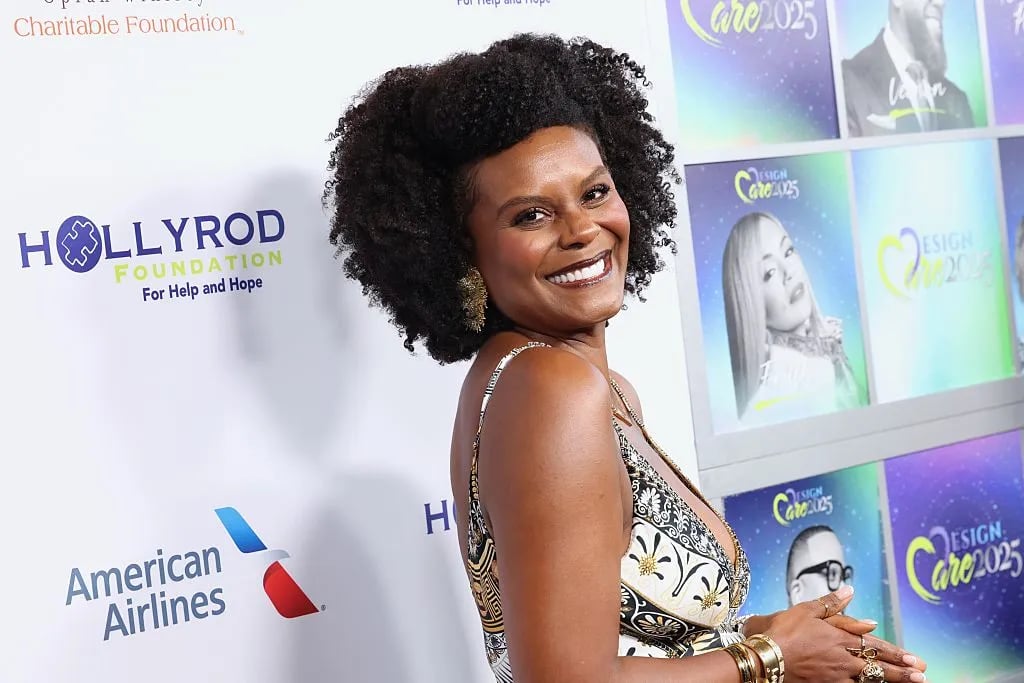
Tabitha Brown is breaking her silence regarding her stance on the Target boycotts, which began earlier this year in response to the retail chain’s decision to end its diversity, equity and inclusion efforts.
What did Brown say about the Target boycotts?
Despite other major companies ending DEI initiatives, Target received the most backlash from its critics for initially championing Black and brown businesses and other minority groups, according to Blavity’s AfroTech.
Brown, 46, is among several Black entrepreneurs whose products are on Target shelves nationwide. She is under a licensing deal with the retailer, and she has multiple businesses and limited collections there ranging from apparel, home goods and food to her Donna’s Recipe hair care line in partnership with Gina Woods, per AfroTech.
The vegan entrepreneur first touched on the topic earlier this year in a Jan. 24 Instagram post that indicated her stance on the Target boycotts without actually saying a word. She then spoke out about the situation during a November interview on iHeartPodcast’s Not My Best Moment, hosted by KevOnStage.
Brown shared the fearful messages she received from Black content creators and business owners
She discussed on the podcast how Black content creators had the opportunity to work with Target for the first time during Black History Month, and Black-owned businesses were faced with the chance to have their products featured in the stores. However, Brown said those individuals later contacted her after the boycotts began, saying that they feared it would hurt their businesses in the long term.
“‘What are we going to do, Tab’ … ‘This is about to kill our business’ … ‘They about to boycott,’” Brown said were some of the messages she received at the time.
At the time, the Emmy Award-winning host shared a separate Instagram post that revealed her thoughts on the Target boycott and how it would affect Black-owned businesses that were already under contract with the retail giant. Her remarks sparked backlash from followers who accused her of being tone-deaf about the situation.
‘I was trying to educate people’
In the Not My Best Moment interview, Brown clarified her comments, saying that other Black content creators and business owners had their work featured by major companies such as Target, and that the DEI boycott could make it difficult for them and their businesses.
“I own multiple businesses. Don’t worry about me. But these other people, and I said this in the video, some of these Black-owned businesses, it’s their first time being in the store. This is why I was really so upset because Target, y’all really did this right before the Black History Month launch. Y’all know what it’s going to do to these these businesses. You know how long it take to get in there,’” Brown said on the podcast.
She continued, “I was trying to educate people on this is what’s going to happen for these small businesses. ’Cause some people are like, ‘I ain’t boycotting.’ I’m like, ‘Listen, I understand. But if you do, great. If you decide not to and you still go in Target, please only buy Black. Only support those businesses because the numbers don’t lie.’”
Brown, like many other Black entrepreneurs, could not pull out of their Target deals
Brown said many social media critics accused her of so many things, which led to widespread misinformation circulating online.
“There was like a lot of lies going around saying like, ‘They just took all the Black businesses out of Target.’ I was like, ‘No they didn’t do that yet.’ They didn’t do that because they can’t legally, but they can when the fiscal year rolls around and they start looking at the numbers, say, ‘Oh, this was your forecast and this where you came in. You didn’t meet the numbers.’ Now, they have reason to remove them. That’s what I tried to convey,” she said.
Pastor Jamal Bryant was and remains at the center of the ongoing Target boycott. For several months, he has spoken out against the retailer for ending its DEI efforts and how this has affected Black customers, creators and business owners.
Brown also called out Bryant during the interview, saying that it was impossible to get out of her licensing deal with Target and sell directly to customers without risking significant losses and being sued in the process.
Despite the pushback she received, Brown said she is committed to supporting small businesses and vowed to move differently with other business contracts she may receive in the near future.
Watch the full episode of Not My Best Moment below: