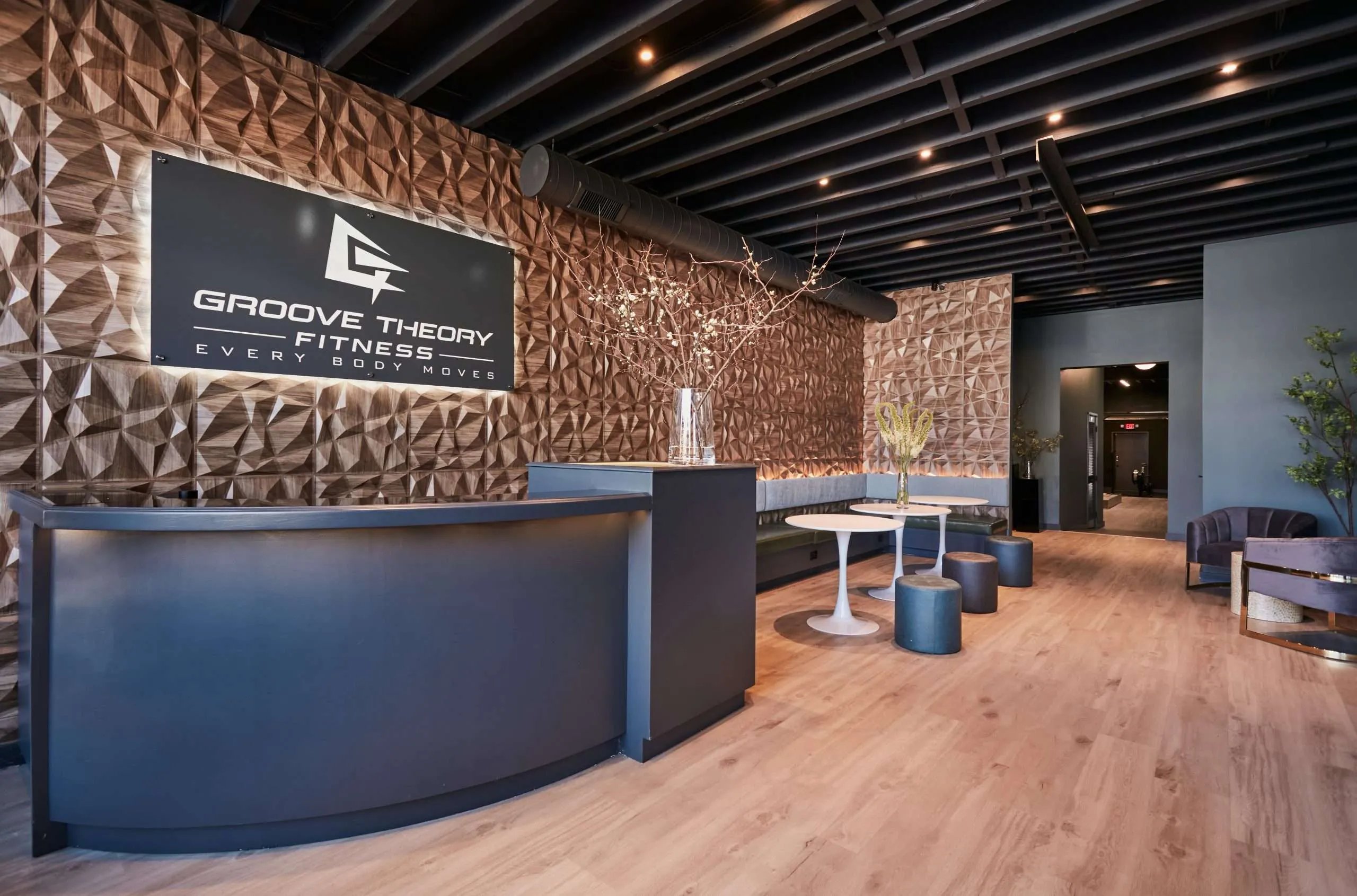
Across the country, Black-owned fitness spaces are reshaping the way wellness shows up in local communities. Rather than centering rigid workout routines or intimidating gym environments, many of these studios prioritize accessibility, culture, and connection. In New Jersey, Groove Theory Fitness is part of that movement, offering a space where movement is as much about community as it is about exercise.
Founded by Keldrick Wright, Groove Theory Fitness has quickly become a neighborhood hub for people looking to stay active in an environment that feels welcoming and energizing. The studio offers a wide range of classes that include yoga, Pilates, strength training, boxing-inspired workouts, dance classes, and hip-hop step. But beyond the variety of workouts, what sets the space apart is the philosophy behind it.
A Vision Born from Community Care
For Wright, creating Groove Theory Fitness was not initially about building a fitness business at all. Originally from Georgia and a graduate of Howard University, Wright eventually settled in New Jersey, where he built his career working with adults with intellectual and developmental disabilities. Years ago, when the Maplewood space operated as a different studio, Wright would occasionally sublet it to host recreational activities for participants in his program, including karaoke nights and social gatherings.
When the studio’s former owner unexpectedly passed away, Wright was presented with the opportunity to take over the space. What began as a practical solution to continue programming for his clients soon evolved into something much larger.
“I really started this as a place for my special needs population to come and have activities,” Wright explained.
As he began renovating the studio and reimagining what the space could become, he realized it had the potential to serve a much wider audience.
Despite having no formal background in the fitness industry, Wright leaned into his knack for building environments where people feel comfortable.
“I’ve never owned a studio before and I’m not a fitness enthusiast,” he said. “But I do have a knack for creating spaces that serve people in the community.”
That philosophy shaped the studio’s approach to programming. Rather than focusing on strict fitness metrics or intense bootcamp-style workouts, Groove Theory prioritizes variety and enjoyment. Wright, who says he has personally struggled with weight throughout his life, wanted to build a place that felt different from the gyms he had experienced in the past.
Rethinking the Fitness Experience
Traditional fitness spaces, he noted, often encourage people to lock into one specific workout style. But for Wright, variety is essential. Some days call for strength training, while others might call for yoga or a dance-based class that simply gets the body moving.
At Groove Theory, the goal is participation rather than perfection. Wright describes the studio as a place where people can show up, move their bodies, and enjoy the experience without pressure.
That philosophy becomes especially clear in the studio’s hip-hop step classes, one of its most popular offerings. Step workouts involve choreographed movements performed on raised platforms, blending rhythmic footwork with cardiovascular exercise. While step aerobics first gained widespread popularity in the late 1980s and 1990s, the format has long remained a staple within Black fitness communities, particularly in Southern cities where hip-hop step classes have become a cultural mainstay.
In the Northeast, however, classes rooted in that tradition can be surprisingly difficult to find.
Taking an introductory step class at Groove Theory felt like discovering a piece of that culture brought north. The class combined music, choreography, and cardio into an hour-long workout that felt both challenging and energizing. Participants moved through sequences of steps and turns layered over a hip-hop playlist, with the instructor guiding the room through increasingly intricate combinations.
The experience was intense enough to leave everyone sweating, but the atmosphere remained light and supportive throughout. The energy in the room felt collaborative, with participants encouraging one another as they worked to stay on beat.
More than anything, the class highlighted what makes Groove Theory different from a traditional gym. The focus is not solely on individual performance, but on the collective energy created when people move together.
A Community That Found Its Way
Although Wright did not intentionally design the studio for a specific demographic, the space has naturally developed a strong following among women in the area. Many attendees are women balancing careers, family responsibilities, and the ongoing challenge of making time for wellness. Some come as part of friend groups or parent circles, while others discover the studio independently and return for the sense of community they find there.
Wright estimates that roughly ninety to ninety-five percent of Groove Theory’s clientele are women, though men also participate in strength training and circuit classes offered throughout the week.
Beyond its regular class schedule, the studio has also evolved into a broader community venue. Comedy shows are hosted in the space on a regular basis, and Groove Theory has welcomed a range of LGBTQ-centered events, including dance parties and drag-inspired fitness classes. The studio also partners with the Newark LGBTQ Community Center and hosts fundraising events that bring local residents together.
Meanwhile, Wright’s original mission continues to shape the studio’s identity. Each week, adults from his special needs program return to the studio for their own workout sessions, filling the room with music, movement, and laughter.
Movement as a Path Toward Wellness
For Wright, the evolving nature of the space is intentional. Rather than rigidly defining what Groove Theory should be, he prefers to let the community help shape it.
“I believe in creating a space and letting it be a canvas,” he said. “Then whatever the community brings to it is what we produce.”
In many ways, Groove Theory Fitness reflects a broader shift in how wellness spaces operate within Black communities. Increasingly, fitness is being reframed not just as a personal goal, but as a shared experience rooted in culture, accessibility, and connection.
Wright believes that the path toward better health does not have to begin with strict routines or intimidating environments. Sometimes it simply begins with showing up and trying something new.
“Just get to groove,” he said. “You have to find your groove.”