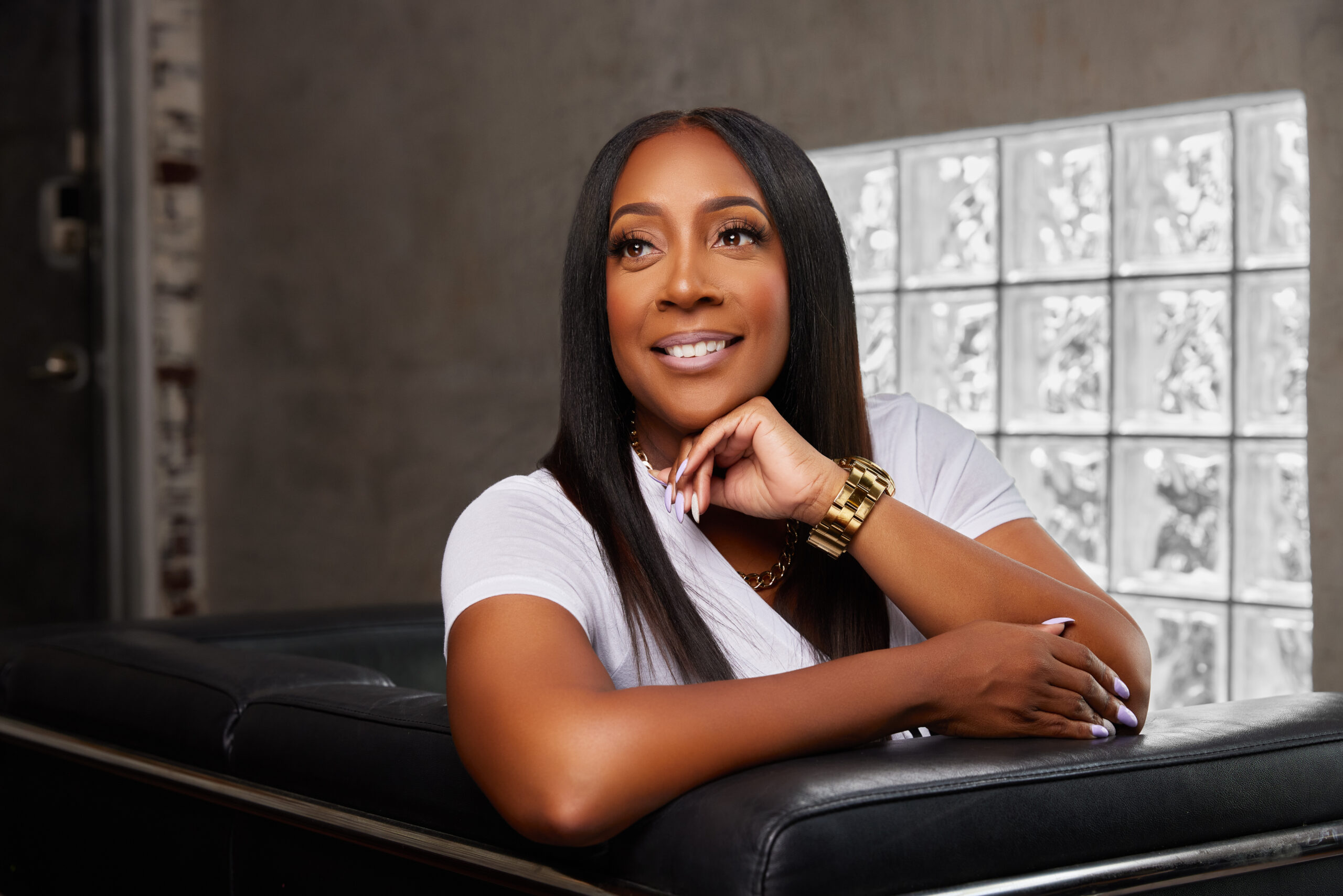
Black women’s presence in sports ownership is both rare and culturally critical. For Kendra Bulluck, it was a dream she refused to let go of. As executive director of the Orange Blossom Classic, she is one of the few women to own the exclusive rights to a major sports property and the first woman to own an HBCU sports property.
Reviving a Historic HBCU Tradition
One of the most storied games in HBCU history, the Orange Blossom Classic was discontinued in 1978 before returning in 2021, thanks to Bulluck breathing life back into the tradition. Its history is rooted in the celebration of Black excellence, and with Bulluck’s investment, what was once a football game has become a multi-day cultural experience.
That includes Battle of the Bands, Fan Fest, and Vendor Village, highlighting local and women-owned businesses.
A Decade of Persistence
Growing up close to sports, and raising children she wanted to show the value of hard work, Bulluck spent 10 years climbing the ladder and solidifying her role.
“It took over a decade,” she said. “But my thought process was as long as I try, I can say to my kids that I did everything I could possibly do to make it happen. When you want something, you go after it, and you don’t stop until you feel like you’ve exhausted all of your options. That was really my motivation.”
That motivation took her to new heights, earning recognition as an Ebony Power 100 Leader in Sports,.
Bringing HBCU Culture Back to Miami
The absence of HBCU culture in her South Florida environment sparked a mission.
“I would hear my dad tell all of these stories about the original Orange Blossom Classic and the parade and all of the things around this game, and that was something that was missing in Miami,” Bulluck said.
Bulluck’s purpose extends beyond her own success. As a mother raising her child to understand the value of an HBCU education, she is equally focused on what her visibility can unlock for others.
“Representation is vital. If you see one person doing it, that lets you know that you can do it.”
Black women have historically been underrepresented in sports ownership, though that has started to shift over the last two decades. From Sheila Johnson becoming the first Black woman to own a WNBA team to Sandra Douglass Morgan serving as the first Black woman president of an NFL team, progress is happening, even if slowly. Black women make up a significant percentage of athletes in leagues like the WNBA, yet remain underrepresented in coaching, ownership, and executive roles.
Making the Path Easier for the Next Woman
Bulluck is clear about what she hopes comes next.
“It took me over 10 years, but if there are things I can share so the next person gets there faster, then we’ll see more people doing it,” she said
When asked what advice she would offer women navigating male-dominated spaces, she pointed to preparation and perspective.
“They can’t deny your knowledge,” Bulluck explained. “And while there are challenges, there are also advocates. I’m all for supporting women, but I also recognize there are men who want to see us succeed.”