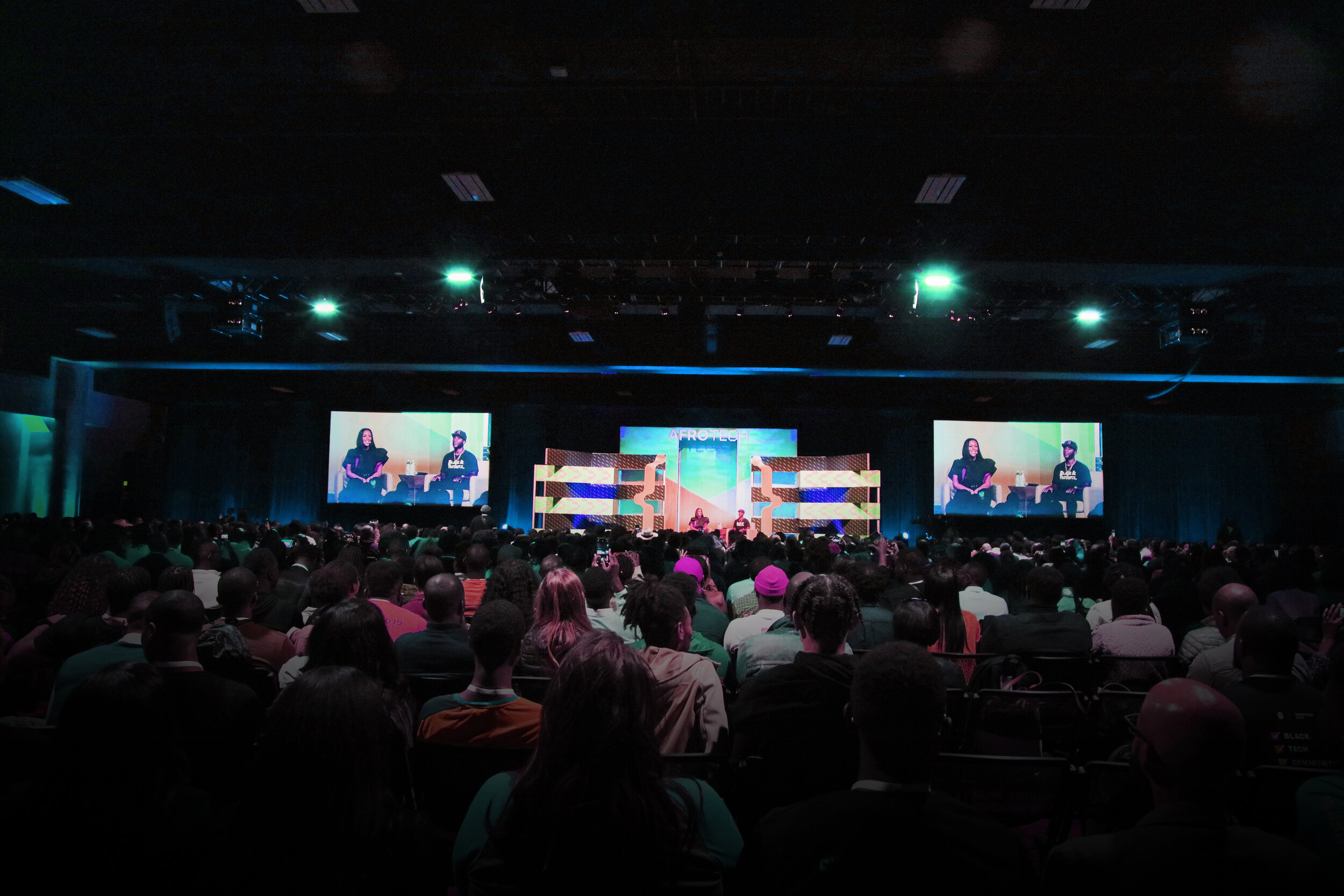
Many people talk, some people grind, but very few execute. Janel Martinez makes things happen. The Bronx native has a pen that would make Zora smile, and shows no signs of slowing down. She is young, she’s ready, and she’s someone you need to know about. I got the opportunity to mix it up with her about about culture, the craft of writing, and what drives her.
Who is Janel Martinez?
Wow! This question just really hit me. Good opener, fam.
On the professional tip, Janel Martinez is a millennial journalist, storyteller, content creator and entrepreneur. She’s human and get’s nervous, scared when making life-changing or big decisions, but wise enough to access the move and go forth if it feels right. There’s no time to rest in comfort zones. Personally, she’s kind-hearted, passionate, funny and very family oriented.
I think it’s also safe to say, I’m still figuring this one out.
How long have you been a writer?
Does the story I penned in 2nd grade count? No, but seriously, I’ve been writing consistently since my sophomore year of college, so you can say 7 years. Post-college, it’s been about 4 years.
Sometimes we struggle with not feeling creative enough, especially writers. How to you combat writer’s block?
It’s funny because I have to write daily. That’s my bread and butter, so I have no time for writer’s block. But it happens. I like to give myself a few minutes to get it together; whether that be cruising the web for articles to read or a 10-minute dance break, I try to get my mind off writing. However, the only real way to combat writer’s block is to write through it. Yeah, you might be writing and it doesn’t make sense, or sound the way you think it should, but at least you’re getting somewhere.
A lot of people think you can just write something and send it a bunch of places to get published. How important is the editing process?
Editing is crucial. I’d argue that editing makes writers better writers. I’ve learned so much from editors that I’ve worked with, and I’ve also strengthened my writing when I started editing other writer’s work.
As a writer, don’t take it personal when an editor marks up your article. Voice of the respective outlet, grammar and AP Style, as well as other things are all factored in when it comes to the editing process.
What is your favorite article that you’ve ever written? Why?
Someone asked me that recently. That’s such a hard question for me. I don’t know if I have a favorite. I’m always striving to be a better writer, so it hasn’t been written yet. Although, not too long ago I had the privilege of interviewing Danyel Smith and Elliott Wilson, and I’ve respected their work since I picked up my first magazine. I have so much respect for them and getting the opportunity to write about their latest venture, HRDCVR, was an honor for me.
What got you interested in writing and covering the tech industry ?
I kind of just fell into this. An editor that covered technology was going on maternity leave and asked me if I was interested in covering some tech stories. I said, “Sure.” After attending product previews and interviewing tech entrepreneurs, I realized I really liked tech and wanted to take on the beat. What I enjoy most about tech coverage is interviewing entrepreneurs, especially tech entrepreneurs of color or women ‘treps. For me, these aren’t the stories you’re going to read everywhere and I take pride in knowing that I’m getting these very important stories out there. Like, why are roughly 1% of venture-backed startups run by African Americans It’s even less for Latinos and don’t get me started on what women in this industry see and hear. It fuels me.
The then-new found passion led me to become a tech editor at Black Enterprise. I learned so much about the profession and myself in that role. It was a great experience.
How has your own identity informed and influenced how you write?
As a Black Latina, I’ve naturally been drawn to interviewing and writing about the communities that I come from. I didn’t know it, but growing up I was what they’d call a “nosey child” because I was just so drawn to what the people around me—my parents, abuelos, family and people in my neighborhood—had to say about politics and current events, among other things. As you can see, that characteristic paid off. It led me to want to interview and report on those every things. Also, I feel a sense of responsibility, like I want to tell our stories. As a journalist you maintain a level of objectivity to each encounter, but when I interview a Latino or African American entrepreneur I can relate to them on a whole other level due to our shared experiences. I think that’s evident in my writing.
You are much more than a content creator. Tell us about AintILatina? and the movement you are building.
I’m honored that you mentioned it’s a movement. That wasn’t my intent when I launched my site, Ain’t I Latina? While I knew it was going to fill a void that’s present in both traditional and new media, the movement was sparked by the people, my readers. I’m 100% thankful to each and every person who has read the site, shared an article, agreed to be interviewed, and helped make AintILatina.com what it is today.
As an Afro-Latina, my family is from Honduras and we’re Garifuna. I grew up with a full understanding of my culture.
However, I didn’t see that depicted on Telemundo or Univision; I didn’t see that shown across the pages of Latina Magazine. It might sound naive but I was convinced that by 2013 there was going to be a more representative view of Latinas in today’s media. Wrong! That’s not to say we haven’t come a long way, but there’s more to go. At this point, I’d interviewed so many entrepreneurs it hit me that I should just start my own site. Ain’t I Latina? was born. The site was created to celebrate and highlight Afro-Latinas. We do that through news and our features where we highlight Afro-Latinas in various industries, so we speak with them about their identity but also about their careers and how they got to where they are today. Far too often there’s a stereotypical view of Latinas portrayed on TV and print media.
[Tweet “I want young women to see themselves reflected in the women that I profile. “]
We’re hypersexualized, we’re “the help”, we’re fiery and always confrontational, we’re the mistress. Oh, and we’re all fair skinned with long, straight hair. Not that we’re educated, confident, in positions of power, and crushing it in every industry. Also, we rock our fros or curly hair and many of us are tanned and darker.
They should know that they’re very capable of becoming the next leaders—and they don’t have to sacrifice their identity or what makes them unique to do it. 
There seems to a gap between Latino and African-American culture. What do you think contributes to that?
We’re a lot alike. It’s really a matter of where our boats dropped us off, right?
But it’s that whole crabs in a barrel thing. Misunderstandings and a lack of knowledge contributes to it. African Americans and Latinos equal Black.
We may speak a different language, celebrate our culture in different ways or name a different country as our motherland, but, ultimately, our lineage stem from one continent, Africa.

I think the way Blackness is portrayed has been damaging to that self acceptance and acknowledgement. The division isn’t necessarily just and African-American and Latino thing. There’s existing divisions in Latin America when it comes to darker-skinned Latinos and the more fairer-skinned ones. It’s both an internal and external tension.
We’ve seen an incredible rise in citizen journalism, especially surrounding Ferguson and a lot of racialized issues. What do you think the role of social media is in bringing journalism forward in the 21st century?
It’s crucial. Fifteen years ago you had to wait for the nightly news to get all the details on a an incident. It went from that to websites breaking news stories to now social media users breaking news. While I see the power in that because it gives citizens agency that they didn’t have in years past as we’ve seen with #Ferguson. I mean, that’s really how I followed everything that was going on, second by second. Traditional media was late. I didn’t hear about the murder of Mike Brown and Ferguson until approximately two days later via nightly news. At this point it was too late. I saw it unfold on my Twitter timeline the day it happened. Citizens now have the tools to become their own content creators. However, I will say that you can’t always take everything you read on social media as truthful. For reporters and journalists, fact-checking and traditional reporting rules still need to happen.
You’re a former Black Enterprise editor, you write for NewMe Accelerator, freelance, and are a proud Delta. How do you use your current networks to grow and expand your reach?
They have all helped develop and build my network. With each opportunity, I’ve developed relationships, so while the relationships have helped me I’ve also fed those relationships. It’s a two-way street. With that being said, when you develop a relationship with someone there’s a level of investment they have in you and what you’re doing, so that helps in the expansion of your brand.
Great writers are avid readers. What are some of your favorite books?
I’m a Toni Morrison fan, so I’d have to note “The Bluest Eye,” Tar Baby” and “Sula.” A new favorite is Requel Cepeda’s “Bird of Paradise: How I Became Latina.” I’ve got a laundry list of books I’d like to read like “The Path Redefined” by Lauren Maillian Bias and Valeisha Butterfield-Jones, “The Girlprint,” but I’m currently reading Sophia Amoruso’s “#GIRLBOSS” and loving it so far. Another good one is Kelly Cutrone’s “If You Have to Cry, Go Outside.”
Where is Janel in 2019?
TBD. Just know she’ll be handling business per usual. Always keep ‘em guessing, lol.
To keep up with the Life and Times of Ms. Martinez click below!


For all things AintILatina, click below!

