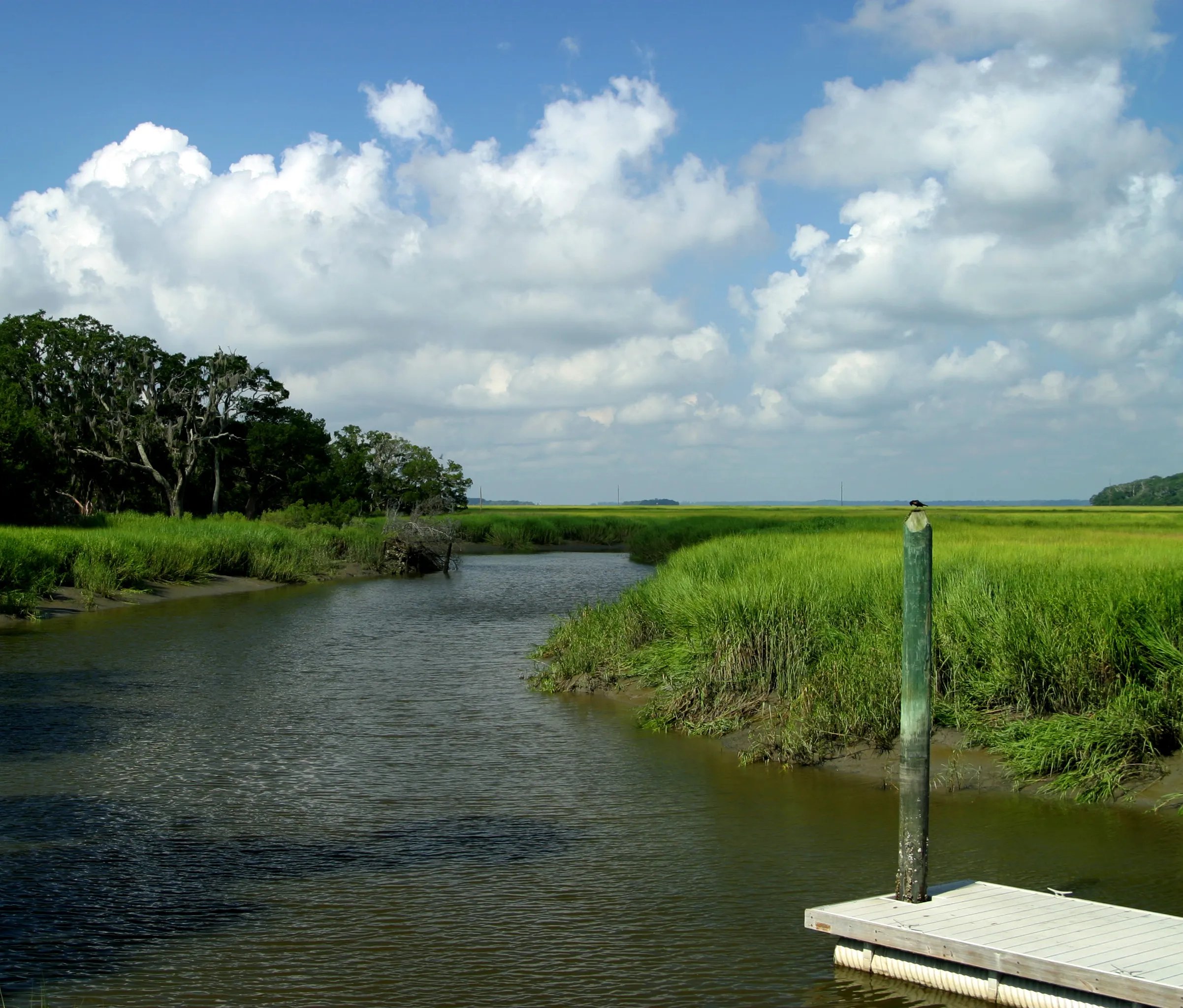
Voters in one Georgia county have overwhelmingly supported a measure intending to protect a historic Black community from encroachment by developers and rising property costs. The referendum has succeeded in repealing a controversial new zoning law that critics warned would push out the area’s local population and endanger its culture.
Fight over house size amid community displacement concerns
Citizens in McIntosh County, Georgia, voted Tuesday to repeal a new zoning law for Sapelo Island, home of one of the last surviving Gullah-Geechee communities in the South. The vote repeals a 2023 decision by McIntosh County commissioners to double the size of houses allowed to be built in the tiny Hogg Hummock community on Sapelo Island, where a small and culturally distinct population descended from freed slaves still resides. Although turnout for Tuesday’s referendum was below 20% of registered voters, over 1,500 people voted for the repeal, while less than 300 people voted to retain the 2023 zoning regulations.
The referendum overturns a 2023 zoning decision that had divided parties interested in preserving the island’s population and culture. Supporters of the 2023 zoning change said that the new provision, increasing the allowed size of homes from 1,400 sq. ft. to 3,000 sq. ft., would help preserve the community by allowing families to build larger homes rather than be forced to move out; supporters of the change also said that the new rules would be easier to enforce. Critics, however, argued that allowing larger homes would bring in outside developers and raise property taxes, both of which would price out and displace families who had lived on the island for generations.
Political battle sets the stage for uncertain next steps
Last Tuesday’s referendum was the culmination of a long political and legal battle. After the commissioners approved the new zoning regulations in 2023, Keep Sapelo Geechee formed and collected enough signatures to force a referendum on the issue under the Home Rule Provisions of the Georgia state constitution. Supporters of the expanded home size regulation, however, argued in court that the constitutional provision did not apply to local zoning changes. The Georgia Supreme Court eventually sided with the petitioners and allowed the vote.
While the 2023 zoning regulation change has now been reversed, it is not clear what the ultimate outcome will be for homebuilding regulations or for the local community. The McIntosh County Commission held a special meeting on Thursday to consider the issue. “We want to come up with a solution that favors everyone, especially the county as a whole, and we are working diligently to bring this issue to a successful conclusion,” Commissioner Roger Lotson said, according to The Brunswick News. Prior to the vote, commissioners had warned that a repeal would not return the area to the previous size limit of 1,400 sq. ft. but would instead be interpreted as eliminating any limits to the size of houses that can be built in the Hogg Hummock community. Per WABE, Dana Braun, an attorney for the Hogg Hummock landowners, dismissed this warning as a “ludicrous argument” meant to scare voters, and commissioners have now signaled that they are open to implementing a moratorium on issuing new building permits while they figure out how best to address the community’s concerns.
At the Thursday meeting, per WTOC, the McIntosh Board of Commissioners “unanimously voted for a 30-day moratorium to be put in place on Sapelo Island, blocking any building until new zoning laws can be voted on.”
These efforts have all been implemented for the stated purpose of serving and protecting one of the last Gullah-Geechee communities, descendants of slaves who established coastal communities from North Carolina to Florida after the Civil War where they retained significant language and cultural features carried with them from Africa. With development and economic pressures causing these communities to dwindle, voters in McIntosh County have potentially paused, if not eliminated, financial pressures facing that county’s Gullah-Geechee population.