
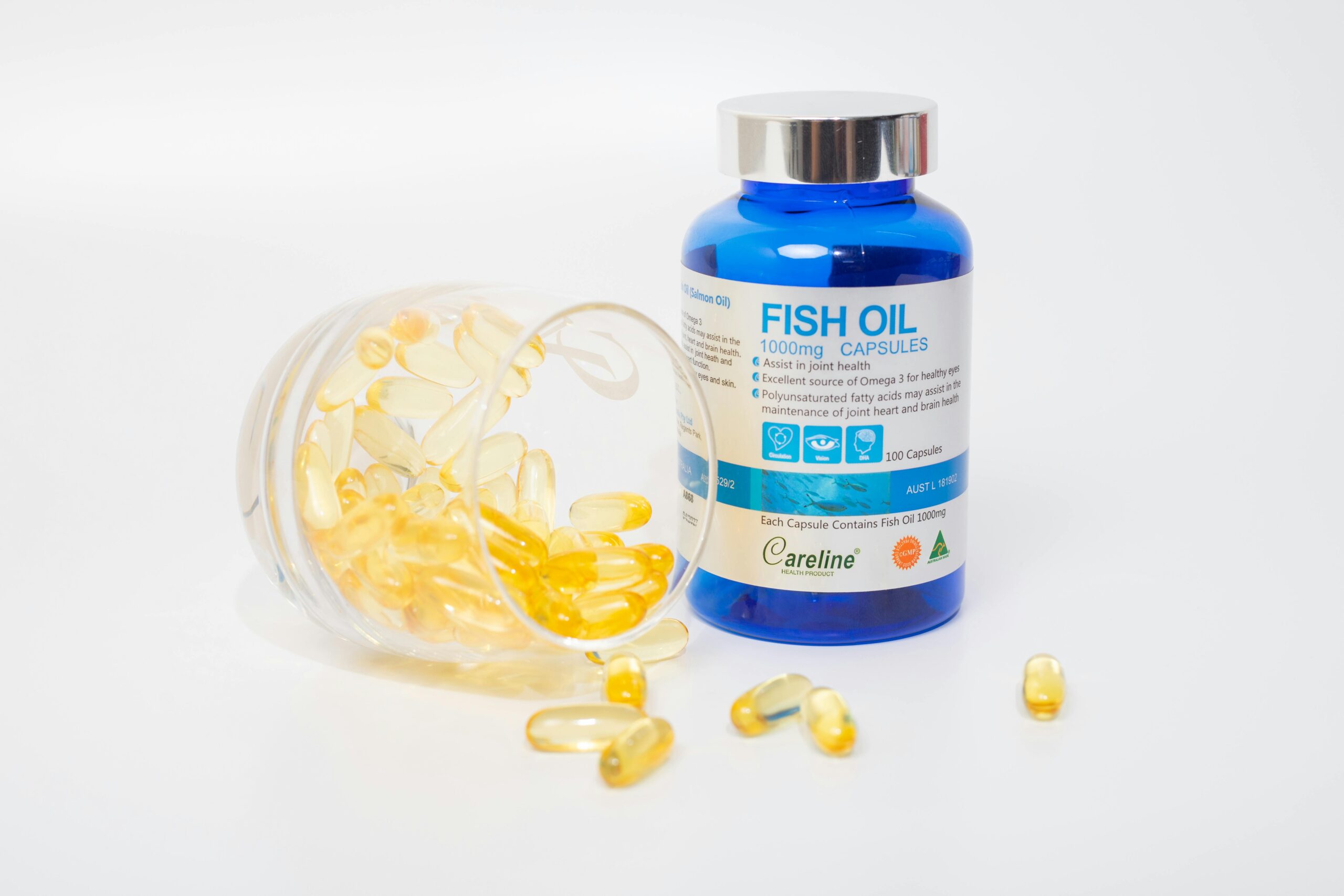
Fish oil has long been hailed as the ultimate daily supplement, sitting in medicine cabinets across the country as a go-to remedy for everything from joint pain to brain fog. Packed with essential omega-3 fatty acids, specifically EPA and DHA, it is heavily marketed as a non-negotiable step for long-term health. However, recent scientific discoveries are forcing us to take a second look at this wellness staple.
According to a major new study highlighted by ScienceAlert, mindlessly popping fish oil capsules every morning might actually have an unexpected and serious downside for certain people. If you take fish oil for preventative health, here is what you need to know to protect your heart and brain.
What the science says
As noted by Cleveland Clinic, the human body cannot produce omega-3 fatty acids, so we must get them from our diet or supplements. For decades, the medical consensus was that taking fish oil supplements was universally beneficial for cardiovascular health.
However, a major study published in BMJ Medicine and reported by ScienceAlert has turned that advice on its head. Researchers found that for people who are generally healthy and do not have any existing heart conditions, taking regular fish oil supplements might actually increase the risk of experiencing a first-time stroke or developing atrial fibrillation (an irregular, rapid heartbeat).
The same study found that for patients who already suffer from diagnosed heart disease, fish oil did its intended job: significantly slow the progression of the disease and reduce the risk of major cardiovascular events. This means fish oil is no longer considered a “one-size-fits-all” preventative vitamin, but rather a targeted treatment that depends entirely on your baseline heart health.
Benefits of fish oil
Despite new warnings for healthy individuals, fish oil remains highly effective in managing specific existing health conditions.
Your brain is made largely of fat, and DHA is one of its most critical building blocks. Research indicates that omega-3 fatty acids possess potent neuroprotective properties. The National Institutes of Health (NIH) notes that higher omega-3 levels are associated with a reduced risk of cognitive decline and can even help stabilize mood, offering modest improvements for people struggling with mild to moderate depression.
For individuals with dangerously high triglyceride levels (a type of fat in the blood), prescription-strength fish oil is highly beneficial. According to the Mayo Clinic, concentrated omega-3s can significantly slash triglyceride levels, which in turn reduces the risk of clogged arteries and fatal heart attacks in high-risk patients.
Fish oil is also a popular natural anti-inflammatory. For individuals with rheumatoid arthritis, the EPA in fish oil helps lubricate the joints, reducing morning stiffness, swelling and reliance on heavy-duty painkillers, a PMC publication notes.
Risks and safety considerations
Aside from the newly discovered risk of atrial fibrillation in healthy adults, standard fish oil supplements come with a few common, albeit milder, side effects.
The most notorious complaint is the dreaded “fishy burp,” accompanied by heartburn or minor stomach upset. A more serious risk involves the blood. Because omega-3 fatty acids naturally prevent blood platelets from clumping together, taking extremely high doses of fish oil can act as a blood thinner, significantly increasing your risk of bruising or severe bleeding if you are injured or require surgery, according to the American Heart Association Journal.
Alternatives to fish oil
If you are healthy and want the benefits of omega-3s without the cardiovascular risks associated with heavy supplements, you have safer options. The absolute best way to absorb omega-3s safely is through whole foods. As noted by the Mayo Clinic, eating two servings of fatty, low-mercury fish, such as wild-caught salmon, mackerel or sardines, each week provides all the EPA and DHA your body needs.
If you are vegan or hate the taste of seafood, your body can convert a plant-based omega-3 called ALA into EPA and DHA. You can easily boost your ALA intake by adding chia seeds, flaxseeds and walnuts to your morning oatmeal or smoothies, explains Healthline. Alternatively, algae oil supplements provide a direct, marine-based source of DHA without the fishy aftertaste.
What are the signs you need omega-3?
If your body is starved of essential fatty acids (EFAs), it won’t just suffer in silence; it will effectively stage a protest through your physical and mental well-being. Because these fats are foundational for maintaining the integrity of cell membranes throughout the body, a deficiency primarily manifests through your skin and your overall energy levels. According to Healthline, the earliest warning signs of an omega-3 deficiency include severe, flaky, dry skin; brittle hair; and nails that lose their natural strength and luster. These external symptoms occur because EFAs help retain moisture and protect the dermal barrier from environmental stressors.
Beyond the surface, your internal cognitive health and physical mobility also begin to falter without these critical nutrients. Persistent brain fog and unusual mood swings serve as psychological alarms, signaling that the lipid-heavy tissues in your brain are struggling to facilitate efficient neurotransmission. Furthermore, new or worsening joint stiffness often arises, as omega-3s are essential for mitigating systemic inflammation and providing natural “lubrication” to the skeletal system.
What cannot be mixed with fish oil?
Since fish oil can mildly thin blood, you should consult your healthcare provider before mixing it with prescription anticoagulant drugs (blood thinners) like warfarin (Coumadin) or high doses of aspirin, as this combination might increase the risk of bruising or bleeding. Additionally, combining fish oil with certain blood pressure medications can occasionally lower your blood pressure, potentially leading to mild dizziness or lightheadedness, Healthline highlights.
Tunde Rasheed, B.Sc. Researcher suggests, “Try the freezer trick for fish burps. If you and your healthcare provider decide that a fish oil supplement is right for you, but you cannot stand the fishy aftertaste or indigestion, try storing your capsules in the freezer. Swallowing the pill while it is frozen slows digestion in your stomach, allowing the capsule to dissolve farther down in your digestive tract, which almost eliminates fishy burps.”
Bottom line
Fish oil is a potent source of essential omega-3 fatty acids that provide significant benefits for brain health, joint inflammation and the management of existing heart disease. However, recent studies suggest that healthy individuals taking fish oil purely for preventative reasons may inadvertently increase their risk of atrial fibrillation and stroke. To safely reap the benefits of omega-3s, healthy adults should prioritize eating a diet rich in fatty fish or seeds, reserving heavy supplements only for specific, doctor-recommended medical conditions.
Frequently Asked Questions
What is the best time to take fish oil?
It is best to take your fish oil supplement immediately before your largest meal of the day, preferably one containing healthy dietary fats, as this maximizes absorption and minimizes stomach upset.
Can omega-3 reduce CRP?
Yes, omega-3 fatty acids possess strong anti-inflammatory properties and have been shown in clinical studies to reduce levels of C-reactive protein (CRP), a key blood marker of systemic inflammation.
Citations
Nield D. Popular Supplement May Have an Unexpected Downside, Study Finds. ScienceAlert. Published April 29, 2026. Accessed May 8, 2026. https://www.sciencealert.com/popular-supplement-may-have-an-unexpected-downside-study-finds
Cleveland Clinic. Omega-3 Fatty Acids. Cleveland Clinic. Published November 17, 2022. https://my.clevelandclinic.org/health/articles/17290-omega-3-fatty-acids
BMJ Medicine. Regular fish oil supplement use might boost first time heart disease and stroke risk – BMJ Group. BMJ Group – Helping doctors make better decisions. Published May 22, 2024. Accessed May 8, 2026. https://bmjgroup.com/regular-fish-oil-supplement-use-might-boost-first-time-heart-disease-and-stroke-risk/
Wei BZ, Li L, Dong CW, Tan CC, Xu W. The relationship of omega-3 fatty acids with dementia and cognitive decline: evidence from perspective cohort studies of supplementation, dietary intake, and blood markers. The American Journal of Clinical Nutrition. 2023;117(6):1096-1109. doi:https://doi.org/10.1016/j.ajcnut.2023.04.001
Mayo Clinic Staff. Fish oil. Mayo Clinic. Published August 10, 2023. https://www.mayoclinic.org/drugs-supplements-fish-oil/art-20364810
PMC. The Effect of Omega-3 Fatty Acids on Rheumatoid Arthritis. Mediterranean Journal of Rheumatology. 2020;31(2):190-194. doi:https://doi.org/10.31138/mjr.31.2.190
Javaid M, Kadhim K, Bawamia B, Cartlidge T, Farag M, Alkhalil M. Bleeding Risk in Patients Receiving Omega‐3 Polyunsaturated Fatty Acids: A Systematic Review and Meta‐Analysis of Randomized Clinical Trials. Journal of the American Heart Association. 2024;13(10). doi:https://doi.org/10.1161/jaha.123.032390
Mayo Clinic. How eating fish helps your heart. Mayo Clinic. Published August 25, 2023. https://www.mayoclinic.org/diseases-conditions/heart-disease/in-depth/omega-3/art-20045614
Hjalmarsdottir F. 12 Foods That Are Very High in Omega-3. Healthline. Published January 26, 2024. https://www.healthline.com/nutrition/12-omega-3-rich-foods
Panoff L. 5 Signs and Symptoms of Omega-3 Deficiency. Healthline. Published January 6, 2021. https://www.healthline.com/nutrition/omega-3-deficiency
Link R. 8 Little-Known Side Effects of Too Much Fish Oil. Healthline. Published July 17, 2018. https://www.healthline.com/nutrition/fish-oil-side-effects