
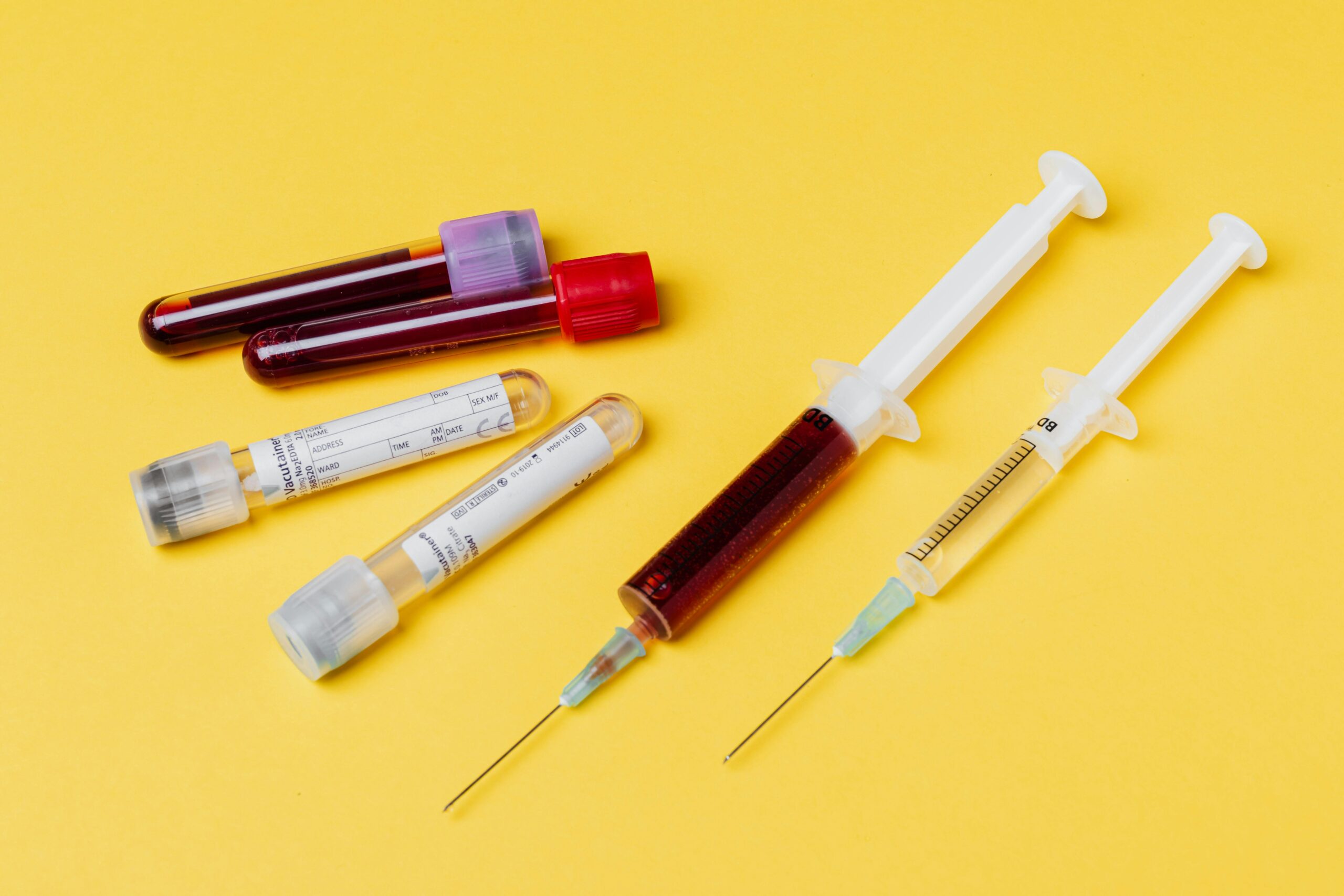
Ever wonder about those signs offering cash for your plasma? It’s a popular way to earn some extra pocket change while making a genuine difference. The plasma you donate is a vital ingredient in creating life-saving treatments for people battling rare diseases and chronic illnesses, meaning your contribution goes far beyond your wallet.
While the idea of donating blood components might sound a bit intense, the process is actually very safe for healthy adults. Plasma centers operate under strict regulations, and every donor undergoes a careful health screening before they begin. To ensure your safety, the equipment is entirely sterile, and trained professionals monitor the entire procedure from start to finish. Still, it’s a good idea to be mindful of your overall health status and insurance coverage before you dive in.
The science behind plasma donation
Plasma is the yellow liquid part of your blood. It carries water, salts and proteins all around your body. It actually makes up more than half of your total blood volume. The process of donating it is called plasmapheresis. When you sit in the chair, a nurse puts a single needle into your arm. Your blood flows through a tube into a special machine next to your chair. The machine spins the blood rapidly to separate the yellow liquid plasma from the red and white blood cells.
Once the yellow liquid is collected in a bottle, the machine returns your red blood cells to your arm. It also pumps in saline (a salty water), to help keep you hydrated. The Cleveland Clinic explains that this is a closed-loop system. This means your blood never comes into contact with outside air, making it extremely clean, sterile and safe.
Why safety is a concern
Many people worry about safety because the process looks intense. You are hooked up to a machine for about an hour. Watching your blood leave your body, enter a spinning bowl and then return can make anyone nervous.
Another big concern is how often you can do it. As Healthline explains, you may donate whole blood only every two months. But plasma centers usually allow you to donate plasma twice a week. People naturally worry that doing this too often will deplete their bodies of essential nutrients and leave them weak.
There is also the fear of needles and infections. People worry about catching a disease from the clinic. However, the needles and tubes used are brand new, sterile and discarded after a single use. You cannot catch an illness from the donation equipment because it is never shared with anyone else.
Risks and side effects of donating plasma
While it is very safe, donating plasma is still a medical procedure. Your body will naturally react to losing a large amount of fluid. The most common side effect is simple dehydration. Because plasma is mostly made of water, losing it can make you feel very thirsty and tired, Healthline notes.
Another common issue is feeling dizzy or lightheaded. When fluid leaves your body, your blood pressure can drop slightly. This sudden change is why some people feel faint or actually pass out during or right after their donation. You might also experience bruising at the needle site. If you move your arm too much, or if your vein is small, a little blood can leak under the skin. This can leave a dark, colorful bruise on your arm for a few days, though it usually does not hurt much.
Understanding citrate reactions
There is a very specific side effect you should know about called a citrate reaction. The machine mixes a chemical called citrate with your blood to prevent clotting while it is outside your body. When the blood goes back into your arm, some of this citrate goes with it.
Citrate binds to the calcium in your blood. According to the Mayo Clinic, this can cause a temporary drop in your calcium levels. When your calcium drops, you might feel a strange tingling sensation in your lips, fingers or toes. You might also get a metallic taste in your mouth or feel a sudden chill. This is completely normal, but you should always tell the nurse so they can slow the machine down and give you a calcium chew.
Who should avoid plasma donation?
Dr. Justus Rabach points out that “not everyone is allowed to donate. Plasma centers have very strict rules to protect both donors and the sick person receiving the plasma. You must be over 18 years old and weigh at least 110 pounds to be considered. Check the requirements before making an appointment.”
If you weigh less than that, your total blood volume is too low. Taking plasma from a small body can cause dangerous drops in blood pressure and lead to severe fainting spells. The machines are calibrated for a certain body size.
According to Healthline, pregnant women cannot donate plasma. Your body needs all its fluids, iron and nutrients to support the baby’s growth safely. People with severe asthma, bleeding disorders or heart conditions are also turned away because the process puts extra stress on the heart and lungs.
Safer alternatives
If you are worried about the risks of plasma donation, there are other ways to give back, such as donating whole blood instead. This process is much faster and simpler. It only takes about 10 minutes, and the needle stays in your arm for much less time. However, if you choose to proceed with plasma donation, preparation is the key to safety. Your body will handle the process beautifully if you give it the right fuel and plenty of rest beforehand. Rushing in without preparing is the main reason people feel sick.
A study published in PubMed Central emphasizes that long-term donors must maintain excellent dietary habits. Eating well prevents the depletion of serum proteins over time and keeps your immune system strong.
Best practices when donating plasma
The absolute best practice for safety is aggressive hydration. You should start drinking extra water the day before your appointment. Do not wait until you are sitting in the waiting room to start drinking water, because your body needs time to absorb it. Your veins are like pipes. When you are fully hydrated, the pipes are large and full. This makes it very easy for the nurse to place the needle comfortably. If you are dehydrated, your veins shrink and hide, making the process painful and slow.
You should also avoid caffeine and alcohol for at least 24 hours before you donate. Both coffee and alcohol pull water out of your body. This makes you dehydrated, which is the exact opposite of what you want before giving plasma.
While you are in the chair, the machine will alternate between withdrawing blood and infusing fluids. When the machine is pulling, gently squeeze and release a stress ball in your hand. This simple pumping motion helps push blood out of your arm faster, significantly reducing the time you have to sit with a needle in your vein.
What to eat before donating plasma
Food is just as important as water. What you eat directly affects the quality of your plasma and how you feel during the donation. You should eat a healthy, solid meal about two hours before you sit in the chair. Do not ever donate on an empty stomach. Focus on foods that are high in protein and rich in iron. Chicken, fish, beans, eggs and leafy green vegetables are excellent choices. These help keep your blood sugar stable and prevent dizziness when your blood volume drops.
Healthline warns that you should avoid fatty foods, such as fast food, pizza and heavy cheese, before your appointment. High amounts of fat can actually make your plasma look cloudy or milky. If your plasma is too fatty, the machine cannot process it properly, and the center will be forced to throw your donation away.
How long does it take to recover from plasma donation?
The human body is amazing at healing itself. Because your red blood cells are returned to you during the process, your recovery time is actually much faster than a standard whole blood donation. Your body will naturally replace the lost water and plasma volume within 48 hours. Most people feel completely back to normal after resting for just an hour or two and eating a good, filling snack.
To help your body recover faster, avoid heavy lifting or strenuous exercise for the rest of the day. Treat your body gently. Drink a sports drink to replace lost electrolytes, keep your bandage on for a few hours to prevent bleeding and get a good night’s sleep.
Who should not donate plasma?
Aside from pregnant women and underweight individuals, several medical conditions disqualify you entirely from donating. Your safety and the safety of the national blood supply are always the top priorities for these clinics. Johns Hopkins Medicine notes that you cannot donate if you have ever tested positive for HIV, Hepatitis B or Hepatitis C. These viruses can be transmitted directly through blood products to sick patients, causing severe harm.
You also cannot donate if you have had a new tattoo or body piercing within the past six months. You usually have to wait several months to a full year before you are eligible again. This waiting period ensures that you do not catch a hidden infection from the tattoo needle before your plasma is used to make medicine.
“We’re not saying that eligible donors shouldn’t donate. There are already issues with the lack of blood supply,” Aaron Tobian, M.D., Ph.D., professor of pathology, medicine, oncology, and epidemiology at the Johns Hopkins University School of Medicine and director of transfusion medicine at The Johns Hopkins Hospital, says. “However, new regulations or accreditation standards could help make blood donation even safer for young donors.”
Bottom line
Donating plasma is a very safe medical procedure that helps create life-saving medicines for people around the world. While you may experience minor side effects from the anticoagulant, such as dizziness, fatigue or tingling, these are usually brief and easy to manage. By staying highly hydrated, eating a protein-rich meal and following the clinic’s safety rules, you can protect your health while making a difference.
Frequently Asked Questions
What does donating plasma deplete your body of?
Donating plasma temporarily depletes your body of water, electrolytes and specific blood proteins, all of which your body naturally replenishes within a couple of days if you eat and drink correctly.
Is it healthy to donate plasma every week?
It is generally safe for a healthy adult to donate plasma up to twice a week as allowed by regulations, but doing so for many months without breaks can lead to fatigue and lower protein levels over time.
Citations
Cleveland Clinic. Plasmapheresis (Plasma Exchange): Therapy, Procedure & What It Is. Cleveland Clinic. Published September 20, 2022. https://my.clevelandclinic.org/health/treatments/24197-plasmapheresis-plasma-exchange
Lockett E. How Often Can You Donate Plasma? Frequency, Safety, and More. Healthline. Published September 22, 2020. https://www.healthline.com/health/how-often-can-you-donate-plasma
Cirino E. Side Effects of Donating Plasma. Healthline. Published November 9, 2017. https://www.healthline.com/health/donating-plasma-side-effects
Mayo Clinic. Hypercalcemia – Symptoms and causes. Mayo Clinic. Published March 8, 2024. https://www.mayoclinic.org/diseases-conditions/hypercalcemia/symptoms-causes/syc-20355523
Marcin A. A Guide to Plasma Donation When Pregnant. Healthline. Published March 23, 2022. Accessed February 13, 2026. https://www.healthline.com/health/pregnancy/can-you-donate-plasma-while-pregnant
Gibson TM, Morton LM, Shiels MS, Clarke CA, Engels EA. Risk of non-Hodgkin lymphoma subtypes in HIV-infected people during the HAART era. AIDS. 2014;28(15):2313-2318. doi:https://doi.org/10.1097/qad.0000000000000428
Osborn C. What to Eat Before Donating Blood and What to Avoid. Healthline. Published January 17, 2018. https://www.healthline.com/health/what-to-eat-before-donating-blood
Johns Hopkins Medicine. Blood Donations / Blood Banking. www.hopkinsmedicine.org. Published August 8, 2021. https://www.hopkinsmedicine.org/health/conditions-and-diseases/blood-donations–blood-banking