
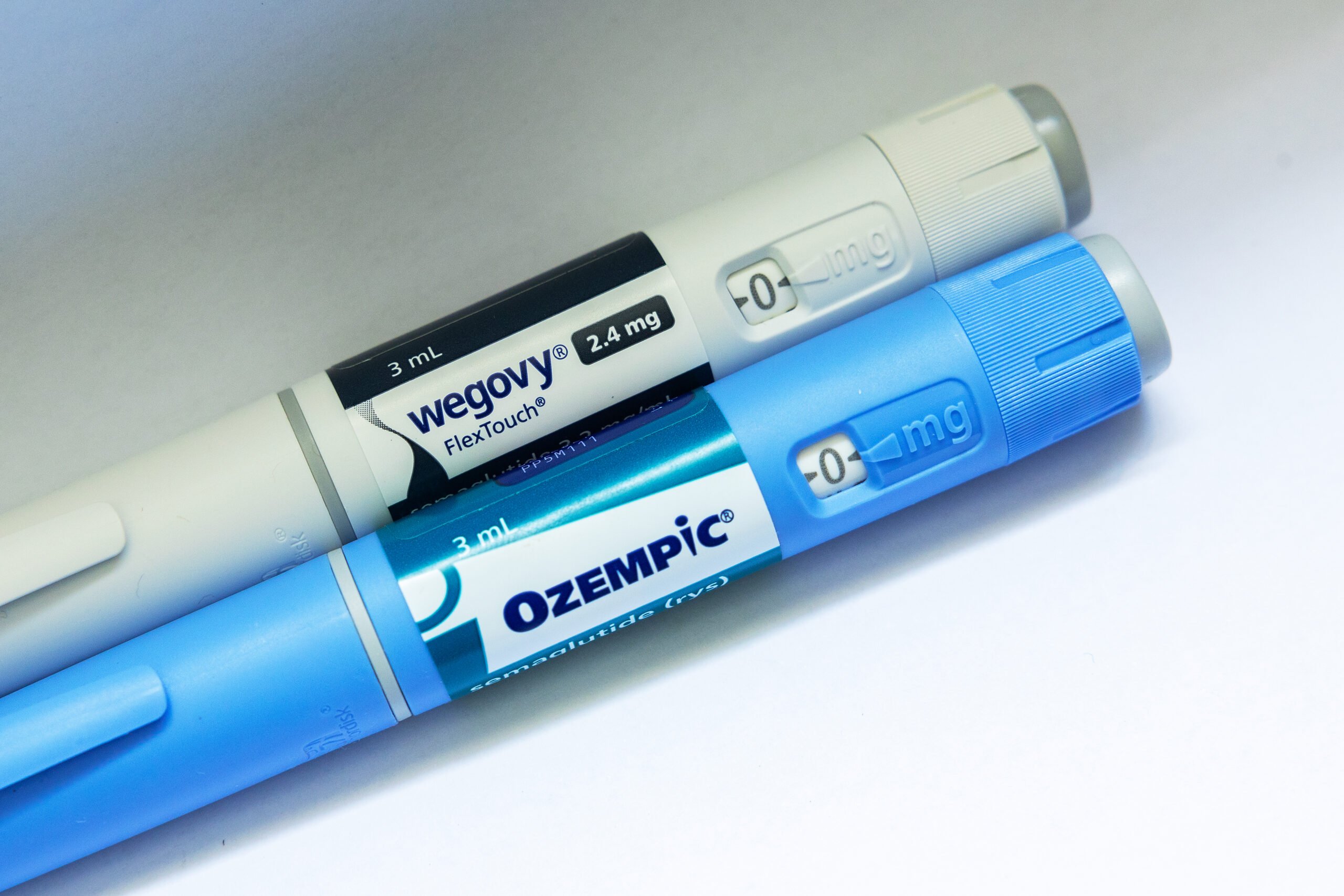
“Microdosing” used to be psychedelics talk. These days, though, it’s all over weight loss TikTok. People post about taking tiny amounts of GLP-1 drugs like Wegovy and Zepbound to lose a few pounds, sidestep nausea or make a pricey prescription last longer. Meanwhile, the FDA went the opposite direction in March 2026 when it approved Wegovy HD. In fact, that weekly dose of 7.2 mg triples the old maximum.
So does microdosing GLP-1 medications actually work? A study published in August 2026 in Biology Methods and Protocols offers one of the largest real-world looks yet. People who stayed on the lowest starting doses for six months or longer still lost weight. However, they lost far less than people who moved up to standard doses.
For Black Americans, however, the stakes run higher. From 2017 to March 2020, 49.9% of non-Hispanic Black adults had obesity, the highest rate among the groups the CDC reported. Yet a 2026 study in Obesity found Black patients were less likely to be prescribed semaglutide or tirzepatide. Black adults also make up fewer than 10% of participants in GLP-1 trials. And in a 2026 study of more than 7,000 patients in Mississippi, Black adults lost about 30% less weight on these drugs than white adults, a gap researchers say needs more study. When full-dose treatment is harder to get, a cheaper shortcut can look tempting.
Dr. Héctor Pérez, MD, a board-certified bariatric surgeon at Renew Bariatrics in Tijuana, Mexico, urges Blavity Health readers not to settle. “Ask what dose is being recommended and why, what your measurable treatment target is, and what alternatives exist if insurance or cost is the barrier,” he says. So here’s what the science says about microdosing GLP-1s, including the risks.
How GLP-1 medications work
GLP-1, short for glucagon-like peptide-1, is a hormone your gut releases after you eat. MedlinePlus notes that Semaglutide (Ozempic, Wegovy) and tirzepatide (Mounjaro, Zepbound) copy its effects. Tirzepatide also activates a second gut hormone receptor called GIP.
These drugs work on several fronts at once. First, they help the pancreas release insulin when blood sugar rises. They also slow how fast food leaves your stomach. Most importantly for weight loss, they act on the brain’s appetite centers. For example, in a 2017 study, people on semaglutide ate 24% fewer calories at an all-you-can-eat lunch after 12 weeks. They also reported less hunger and fewer food cravings.
Dosing is built around a slow climb. Wegovy starts at 0.25 mg once weekly and increases every 4 weeks toward a 2.4 mg maintenance dose, according to its FDA label. Similarly, Zepbound starts at 2.5 mg and increases in 2.5 mg steps every four weeks, up to 15 mg. In other words, those first doses mainly help your digestive system adjust. They weren’t designed as the long-term treatment dose, though.
Microdosing GLP-1 drugs usually breaks from that plan, and it’s often patient-driven, Perez says. “In most cases, it’s guesswork, wildly different from a doctor keeping a patient at a lower therapeutic dose within the medication’s established dosing framework,” he explains.
Some doctors do supervise microdosing GLP-1 medications, but under close watch. Dr. Benecia Williams, DO, a double board-certified physician in physical medicine and rehabilitation and sports medicine in Texas, calls it “an individualized, off-label approach that I monitor closely.” That’s different, she says, from keeping a patient on a lower dose that’s already on the label.
Is microdosing semaglutide more effective?
For weight loss, no. Microdosing GLP-1 drugs doesn’t beat standard dosing, because lower doses consistently produce less weight loss. What they may offer instead is a different trade-off.
Specifically, in the new study, researchers combed through health records covering 29 million patients. Among 490,072 people who took semaglutide, only 814 stayed on the 0.25 mg starting dose for at least six months. Similarly, 1,016 of 322,442 tirzepatide users stayed at 2.5 mg. After a year, the low-dose tirzepatide group had lost about 5.5% of their body weight. Meanwhile, the low-dose semaglutide group lost about 2.2%.
By comparison, co-author Venky Soundararajan, PhD, told Healthline that in a matched comparison, patients on higher semaglutide doses lost about 12%. Those on the lowest dose lost 1.7%. For example, a 200-pound person who loses 2% drops about 4 pounds.
Still, the study has real limits. It was observational, so it shows links, not cause-and-effect. The authors also note that low-dose prescriptions may overlap with intentional microdosing but don’t prove it. In addition, all three authors work for nference, a health data company.
Randomized trial data also point the same way. In a 2018 Lancet dose-finding trial, the lowest daily semaglutide dose tested (about 0.35 mg per week) led to 6.0% weight loss over a year. By comparison, the highest dose produced 13.8%, versus 2.3% on placebo.
Still, a lower dose can make sense under a doctor’s care. Perez considers it for patients who respond well at a low dose but struggle with side effects or frailty, or who have already reached their goals. “A lower dose can be completely reasonable when it is doing enough,” he says.
Common side effects
Digestive issues are the most common complaints with GLP-1 drugs. According to MedlinePlus, they include nausea, vomiting, diarrhea, constipation and stomach pain. In fact, that’s the main reason doses climb slowly.
Tolerability is where microdosing GLP-1 medications may have an edge. Soundararajan told Healthline that people who stayed on the lowest semaglutide dose had less constipation over 24 months than those who increased their dose (23.3% vs. 36.3%). Their nausea rates were lower, too (39.7% vs. 50.1%).
Dr. Diana Rangaves, PharmD, cautions Blavity Health readers, “This is not a panacea! Early GLP-1 studies focused mostly on understanding how the hormone worked inside the digestive system. Over time, laboratory work expanded into peptide science, in which researchers design and test synthetic compounds that mimic the activity of natural GLP-1. There are many effects and serious adverse reactions we to not know long-term. In addition, it is not possible to easily reverse or fix. There is a risk; the question each person must ask themselves is, ‘Is it worth the outcome?'”
Nausea and vomiting
Nausea, in particular, is one of the most common side effects. It’s also a major reason people quit or look into microdosing. Still, it isn’t always harmless. Repeated vomiting and diarrhea can deplete fluids, and dehydration can strain the kidneys, the Wegovy label warns.
A 2025 joint advisory from four medical and nutrition groups calls managing digestive side effects a top priority. It also notes that alcohol can worsen nausea and reflux on GLP-1s. So if nausea hits, ask your provider about smaller, slower meals and cutting back on drinking.
Constipation
Because GLP-1s slow digestion, constipation is common too. In the new study, it was also one of the clearest differences between the two drugs. At 24 months, 32.6% of people on low-dose tirzepatide had constipation, compared with 22.4% on low-dose semaglutide.
Fiber, fluids and regular movement can help, too. However, severe constipation with bloating, pain or vomiting means it’s time to call your provider. That’s because post-marketing reports for semaglutide include ileus, a condition in which the intestines stop moving normally.
Rare or serious side effects
Serious reactions are uncommon, but you should know them. The Wegovy label lists several:
- Thyroid C-cell tumors: Semaglutide caused these tumors in rodents, and it’s unknown whether it does in people. People with a personal or family history of medullary thyroid carcinoma or MEN 2 shouldn’t use it.
- Acute pancreatitis: Cases, including fatal ones, have occurred in people taking GLP-1 drugs.
- Gallbladder problems: These include gallstones and gallbladder inflammation.
- Kidney injury: This is often linked to dehydration due to ongoing digestive side effects.
- Severe allergic reactions: These include anaphylaxis and swelling of the face or throat.
The new study also flagged a signal worth watching. Acute kidney injury showed up in 2.7% of low-dose tirzepatide users versus 0.4% of low-dose semaglutide users. Of course, that’s an association, not proof. Still, it’s a reminder that microdosing GLP-1 drugs doesn’t make them risk-free.
Dosing mistakes are another real danger. The FDA has received reports of hospitalizations linked to errors with compounded semaglutide in multiple-dose vials. Specifically, confusion between milligrams, milliliters and “units” played a role. That matters here because DIY microdosing often relies on exactly these vials and syringes.
Product quality is a concern, too. “If you’re buying outside a regulated supply, you’re also running the risk of purchasing counterfeit or incorrectly stored products,” says Nasir Ali, superintendent pharmacist and co-founder of SwiftDoctor, a UK online healthcare provider that prescribes weight management treatments.
Williams shares that worry, too. “You can’t verify what you’re injecting or whether it was made in a sterile facility,” she says. “It’s a risk I would never take.”
What to do if you notice symptoms
Get emergency care right away for severe stomach pain that won’t go away, especially if it spreads to your back or comes with vomiting. That’s because this pattern can signal pancreatitis. Likewise, seek help for swelling of the face or throat, trouble breathing or a racing heartbeat.
Also call your provider if you notice a lump in your neck, hoarseness or trouble swallowing. You should also call if vomiting or diarrhea won’t stop, if you have pain in your upper right belly or if your vision changes.
Most of all, don’t change your dose on your own. If you’re already microdosing GLP-1 medications without supervision, tell your provider exactly what you take and where it comes from. If side effects feel rough, your provider has options. Tell your prescriber exactly what you’re experiencing, Ali advises. “They may recommend staying at a lower approved dose for longer or changing the timing of dose increases,” he says. Also, report side effects to the FDA’s MedWatch program.
You don’t have to go rogue to go slow. The Wegovy label already allows your provider to pause dose increases for 4 weeks if you’re not tolerating the dose. Asking for the lowest dose that meets your health goals is a normal, supervised conversation.
If your provider does recommend a smaller-than-standard dose, get written instructions. For example, a 2025 Diabetes Care letter described clinician-guided fractional dosing with multidose diabetes pens. After all, that kind of structure is the opposite of guessing units from a vial.
Alternatives
If your goal is fewer side effects or a lower long-term dose, research offers better-tested paths than DIY microdosing GLP-1 drugs.
- Step-down maintenance: In the SURMOUNT-MAINTAIN trial, adults initially lost weight on their highest-tolerated tirzepatide dose. Some then dropped to 5 mg for a year. Overall, that group finished the 112-week trial 16.6% below their starting weight. By comparison, people who stayed on the full dose finished 21.9% lower, and those switched to placebo finished 9.9% lower.
- Pills instead of shots: The FDA approved Foundayo (orforglipron), a daily GLP-1 pill, in April 2026. In its main trial, people on the highest dose lost about 11% to 12% of their weight over 72 weeks. Similarly, the daily Wegovy pill led to 13.6% weight loss over 64 weeks in its pivotal trial.
- Lifestyle support. In the NIH-funded Diabetes Prevention Program, modest weight loss through diet and activity cut type 2 diabetes risk by 58%. Meanwhile, the joint advisory urges adequate protein intake and regular strength training while on GLP-1s to protect muscle.
Dr. Akanni Salako, DPT, a physical therapist and founder of The Wellness Lab in Omaha, Nebraska, puts strength training first. His advice is simple: “Give your muscles a reason to stay through strength training, and give your body the nutritional building blocks to support them through adequate protein.” For people who can’t access these drugs, he’s honest about the limits. “The goal isn’t to imitate a GLP-1 medication through willpower,” he says. “These medications affect appetite and physiology in ways lifestyle alone does not.”
Bottom line
Microdosing GLP-1 medications can lead to some weight loss, but real-world data show far less than standard dosing, and as Cedars-Sinai notes, evidence for it as a long-term strategy remains limited. Still, lower doses may mean fewer side effects for some people. If cost or tolerability is pushing you toward microdosing, ask a clinician about supervised options like slower titration, step-down dosing or GLP-1 pills.
Frequently Asked Questions
Does semaglutide burn fat or just suppress appetite?
Semaglutide works mainly by curbing appetite and calorie intake rather than speeding up calorie burn, and the weight people lose on it is mostly fat.
Do you have to stay on GLP-1 forever?
Not necessarily, but people in the STEP 1 trial regained two-thirds of the weight they lost within a year of stopping, so plan any change with your doctor.
Citations
Blundell J, Finlayson G, Axelsen M, et al. Effects of once-weekly semaglutide on appetite, energy intake, control of eating, food preference and body weight in subjects with obesity. Diabetes Obes Metab. 2017;19(9):1242-1251. doi:10.1111/dom.12932
Cedars-Sinai. Can microdosing GLP-1s promote health and weight loss? Published August 5, 2026. https://www.cedars-sinai.org/stories-and-insights/expert-advice/can-microdosing-glp-1s-promote-health-and-weight-loss
Centers for Disease Control and Prevention. Adult obesity facts. https://www.cdc.gov/obesity/adult-obesity-facts/index.html
Consultant360. FDA approves orforglipron (Foundayo) for chronic weight management. April 2026. https://www.consultant360.com/fda-alerts/fda-approves-orforglipron-foundayo-chronic-weight-management
French M. Microdosing GLP-1s like Wegovy, Zepbound may still lead to weight loss. Healthline. September 18, 2026. https://www.healthline.com/health-news/microdosing-glp1-wegovy-zepbound-weight-loss
Horn DB, Aronne LJ, Wharton S, et al. Tirzepatide for maintenance of bodyweight reduction in people with obesity in the USA (SURMOUNT-MAINTAIN): a multicentre, double-blind, randomised, placebo-controlled trial. Lancet. 2026;407(10545):2305-2318. doi:10.1016/S0140-6736(26)00656-2
Jastreboff AM, Aronne LJ, Ahmad NN, et al. Tirzepatide once weekly for the treatment of obesity. N Engl J Med. 2022;387(3):205-216. doi:10.1056/NEJMoa2206038
Komé AM, Chandran MM, Tungate Lopez SS, et al. One size does not fit all: understanding microdosing semaglutide for diabetes in multidose pens. Diabetes Care. 2025;48(3):e25-e27. doi:10.2337/dc24-2575
Mallette JH, Speed JS, Lirette ST, Clemmer JS. Responses to GLP-1RA in White and Black adults with obesity: insights from generalized additive mixed models of EHR data. Obesity (Silver Spring). Published online April 1, 2026. doi:10.1002/oby.70180
MedlinePlus. Semaglutide injection. National Library of Medicine. https://medlineplus.gov/druginfo/meds/a618008.html
Mozaffarian D, Agarwal M, Aggarwal M, et al. Nutritional priorities to support GLP-1 therapy for obesity: a joint Advisory from the American College of Lifestyle Medicine, the American Society for Nutrition, the Obesity Medicine Association, and The Obesity Society. Obesity (Silver Spring). 2025. doi:10.1002/oby.24336
Murugadoss K, Venkatakrishnan AJ, Soundararajan V. Comparison of cardiometabolic benefits and tolerability in patients on sustained low doses of semaglutide or tirzepatide. Biol Methods Protoc. Published online August 31, 2026. doi:10.1093/biomethods/bpag048
National Institute of Diabetes and Digestive and Kidney Diseases. Diabetes Prevention Program (DPP). https://www.niddk.nih.gov/about-niddk/research-areas/diabetes/diabetes-prevention-program-dpp
Novo Nordisk. FDA approves Novo Nordisk’s new Wegovy HD injection. PR Newswire. March 19, 2026. https://www.prnewswire.com/news-releases/fda-approves-novo-nordisks-new-wegovy-hd-injection-delivering-the-highest-weight-loss-to-date-for-a-wegovy-injection-adding-to-its-already-expansive-clinical-profile-302718982.html
O’Neil PM, Birkenfeld AL, McGowan B, et al. Efficacy and safety of semaglutide compared with liraglutide and placebo for weight loss in patients with obesity: a randomised, double-blind, placebo and active controlled, dose-ranging, phase 2 trial. Lancet. 2018;392(10148):637-649. doi:10.1016/S0140-6736(18)31773-2
US Food and Drug Administration. FDA alerts health care providers, compounders and patients of dosing errors associated with compounded injectable semaglutide products. https://www.fda.gov/drugs/human-drug-compounding/fda-alerts-health-care-providers-compounders-and-patients-dosing-errors-associated-compounded
US Food and Drug Administration. MedWatch: the FDA safety information and adverse event reporting program. https://www.fda.gov/safety/medwatch-fda-safety-information-and-adverse-event-reporting-program
Wasden K, Sheu N, Medhati P, et al. Disparities in prescription of long-acting GLP-1s. Obesity (Silver Spring). 2026;34(4):961-971. doi:10.1002/oby.70152
Wegovy (semaglutide) injection and tablets. Prescribing information. Novo Nordisk; 2026. https://www.accessdata.fda.gov/drugsatfda_docs/label/2026/215256s029lbl.pdf
Wharton S, Aronne LJ, Stefanski A, et al. Orforglipron, an oral small-molecule GLP-1 receptor agonist for obesity treatment. N Engl J Med. Published online September 16, 2025. doi:10.1056/NEJMoa2511774
Wharton S, Lingvay I, Bogdanski P, et al. Oral semaglutide at a dose of 25 mg in adults with overweight or obesity. N Engl J Med. 2025;393(11):1077-1087. doi:10.1056/NEJMoa2500969
Wilding JPH, Batterham RL, Davies M, et al. Weight regain and cardiometabolic effects after withdrawal of semaglutide: the STEP 1 trial extension. Diabetes Obes Metab. 2022;24(8):1553-1564. doi:10.1111/dom.14725
Williams B, DO. Attending physician, PMR Fort Worth, Fort Worth, TX. Interview with Blavity Health. September 30, 2026. https://www.pmrfortworth.com/