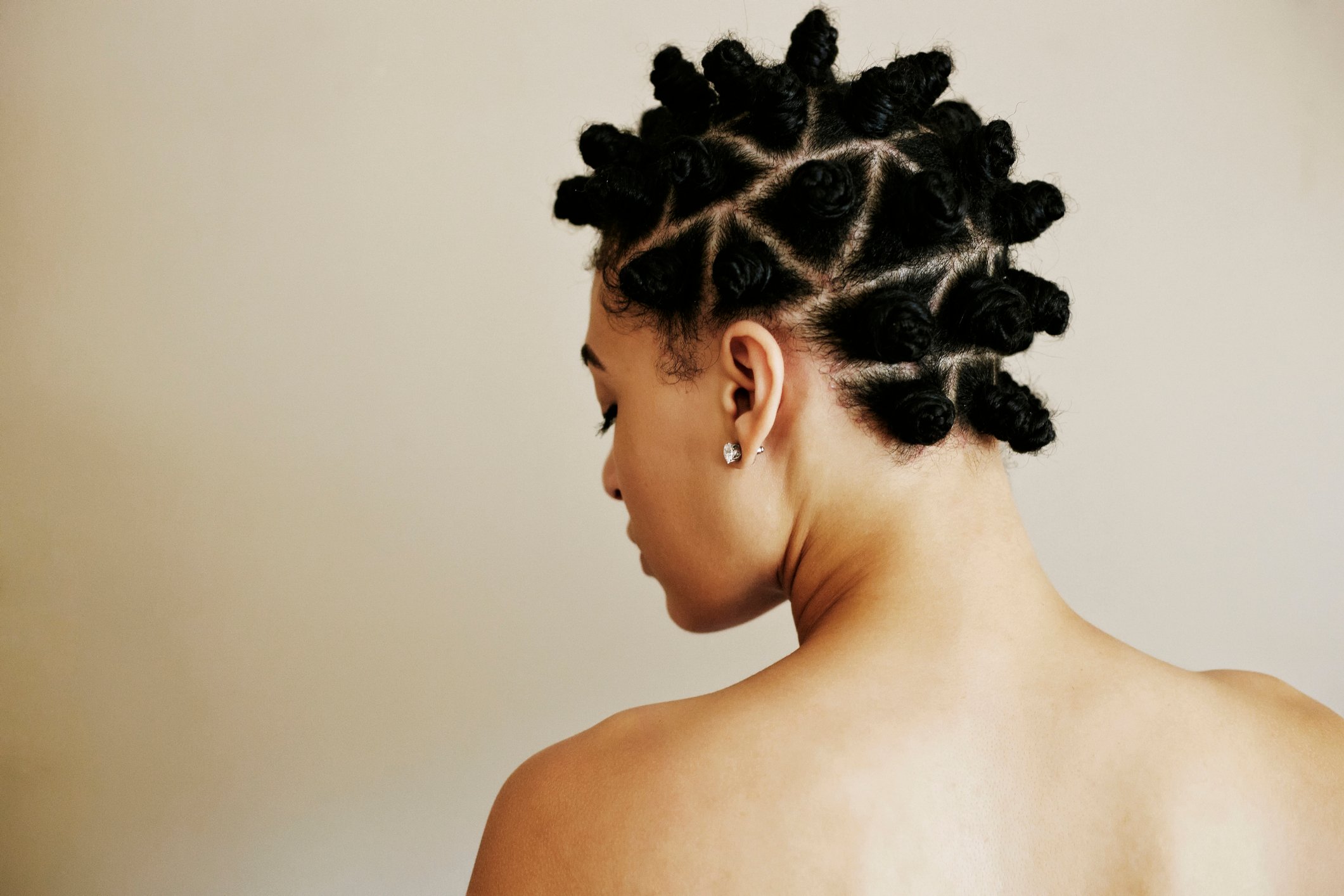
A newly enacted law seeks to make hair styling a more inclusive service in New York. The new regulation seeks to guarantee that stylists in the state are familiar with a variety of hair types and textures. The New York law is the latest example of policies focused on hair, most of which are intended to promote inclusivity.
New requirements for New York hair stylists
As The Guardian reported, a new law that went into effect September 1 creates new requirements for cosmetology and hairstyling classes in the state. Specifically, curriculum for these students must include instruction on how to style all types and textures of hair. While the total number of required instruction hours for students will not change, the content of instruction has been updated with information about styling, scalp treatment and care for clients with textured hair included in the courses. Furthermore, students must now demonstrate proficiency styling various textures of hair in order to qualify for their state licenses.
These new requirements come from a bill signed into law by Gov. Kathy Hochul in 2023, which gave schools three years to implement the changes. New York state assembly member Michaelle Solages sponsored the new law. “This is about equal access to service,” Solages said about the law earlier this year. “No New Yorker should ever walk into a salon and be turned away or receive substandard care because of their hair texture. Now, with the adoption of this legislation, they won’t have to.” Solages also explained the cost-benefit calculation behind the law. “By embedding the new instruction into existing programs, these changes will expand skills and service without increasing costs, and will ensure that haircare professionals are prepared to serve all of their clients,” she said in her statement about the new requirements.
Hair-based legal protections spread across states, stall at national level
The new, inclusive hairstylist requirements for New York hairdressers come as a number of different state and local governments promote hair inclusivity and fight against hair-based discrimination. In 2019, California was the first state to pass a version of the “Creating a Respectful and Open World for Natural Hair” Act banning discrimination on the basis of hairstyles, which often occurs as a proxy for racial discrimination against Black women with natural hairstyles, among others. New York passed its version of the CROWN Act later that year. The New York laws concerning hair come after a New York Times exposé revealed stories of widespread discrimination against employees with Black hairstyles at a New York City salon. Oregon passed its CROWN Act in 2022, while Illinois specifically banned hair discrimination in schools in a law named after Gus “Jett” Hawkins, who as a 4-year-old faced a dress code violation at his school for his braided hair.
As of August 2026, a total of 30 states have passed versions of the CROWN Act. The movement to implement the CROWN Act has even gone international, with the lower house of France’s legislature passing a version of the bill in 2024. In the United States, attempts to pass a national CROWN Act reached their peak in 2022, when the bill passed the U.S. House of Representatives in a 235-189 vote. In the Senate, Cory Booker (D-New Jersey) most recently reintroduced the act in 2025, but the legislation has not yet received a vote in that chamber of Congress. Courts within the U.S. have sometimes sided with individuals facing hair-based discrimination, though the Supreme Court recently rejected a lawsuit by a man who argued that his dreadlocks were cut by prison officials in violation of his Rastafarian religious beliefs. And Defense Secretary Pete Hegseth has pushed to roll back inclusive beard grooming policies in ways that are expected to disproportionately impact Black members of the military.
With challenges to inclusive hair policies remaining at the national level, state and local policies are important for protecting the rights of Black people and others against hair-based discrimination. The latest New York regulation tackles this problem in a new way, requiring professional hair stylists to acquire the skills necessary to do all types of hair.