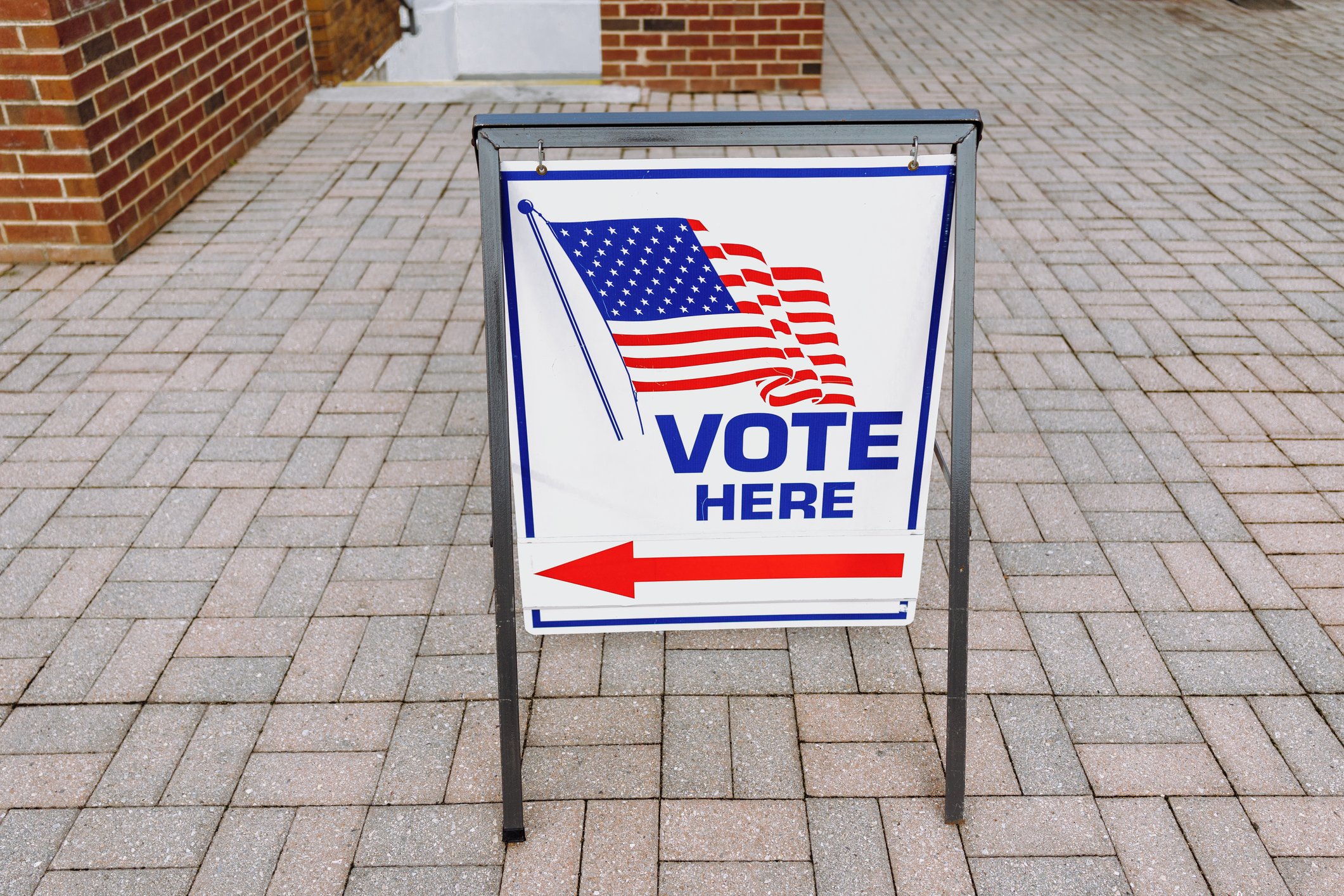
With control of Congress up for grabs in the pivotal 2026 midterm elections, Democrats looking to retake the House and perhaps even the Senate are hoping to mobilize their voting bases in the final weeks of campaigning. In Ohio, which could be an important swing state for Democrats, data and anecdotes paint a picture of the Democratic Party neglecting to turn out Black voters who could potentially shift key elections in that state.
Hundreds of thousands of Black Ohioans aren’t voting
MS NOW recently examined the apparent lack of outreach to Black voters. As noted in recent election data, hundreds of thousands of Black voters in the state appear to be sitting out elections. The report noted that more than 100,000 registered Black voters in the state have not voted in the past three federal elections, according to data gathered by the firm HIT Strategies. Looking beyond registered voters to the larger base of potential Black voters, the situation in Ohio seems even worse. Data analyzed by the Ohio Legislative Black Caucus Foundation showed that 603,000 eligible Black voters in the state did not vote in the 2022 election, which saw Republican JD Vance defeat Democrat Tim Ryan by less than 300,000 votes in the U.S. Senate race. This year’s Senate race in Ohio, between Republican incumbent Jon Husted and Democratic former Sen. Sherrod Brown, could be decided by a similarly close margin as polling data shows the two candidates less than one point apart.
Democrats try to make up for poor outreach efforts
Talking to Black Ohioans, MS NOW found a voter base that is primed to support Democrats as various policies of the Trump administration raise the cost of living and otherwise negatively impact Black residents in the state. Despite this opportunity, young Black Ohioans and particularly young Black men are often disengaged from politics, and Democratic outreach to Black voters appears to be slight. Some organizations are attempting to make up for the slack; Cleveland VOTES, for example, managed to make 114,000 contacts with potential voters despite having a canvassing staff of only five people, MS NOW reported. And the U.S. Senate campaign of former Sen. Sherrod Brown has now made outreach to Black voters a significant part of Brown’s comeback attempt, putting time and effort into events and conversations with Black religious leaders, radio stations and the Divine Nine, among others. Brown, for example, attended the 38th Midwest Regional Black Family Reunion Celebration in Cincinnati this summer, posting, “It was an honor to meet with leaders in Cincinnati to celebrate the strength and impact of Black Ohioans.”
Democrats’ struggles with Black voters
The situation in Ohio reflects larger concerns among Democrats that the party is failing to maximize its appeal and outreach to Black voters who have often formed one of the most important bases for the party. Decisions such as the elimination of Atlanta as a potential host of the 2028 Democratic National Convention have been criticized as failing to acknowledge the importance of Black voters. As progressives have displaced centrist Democrats in this year’s primary elections, the party has dealt with concerns that progressive candidates are not connecting with Black voters. Some progressive candidates have sought to appeal to Black voters, such as Michigan U.S. Senate candidate Abdul El-Sayed, who has campaigned with former Vice President Kamala Harris in Detroit and is scheduled to campaign with former President Barack Obama there Oct. 24. Meanwhile, the party has also been dealing with potential racial divisions brought about by white candidates defeating Black candidates in key primaries, including James Talarico winning the Democratic U.S. Senate nomination in Texas over Rep. Jasmine Crockett and longtime Rep. Debbie Wasserman Schultz defeating several Black candidates in a gerrymandered Florida district that has had long-term Black representation.
The Democratic Party has relied on Black voters for decades, but for many, the party’s efforts to court the Black vote have not matched the importance of Black voters to the party’s electoral chances. That outreach gap and the lack of mobilization of Black voters have been particularly stark in Ohio, and the coming weeks will see if Democrats manage to do a more effective job of mobilizing Black Ohio voters this year than they have in recent election years.