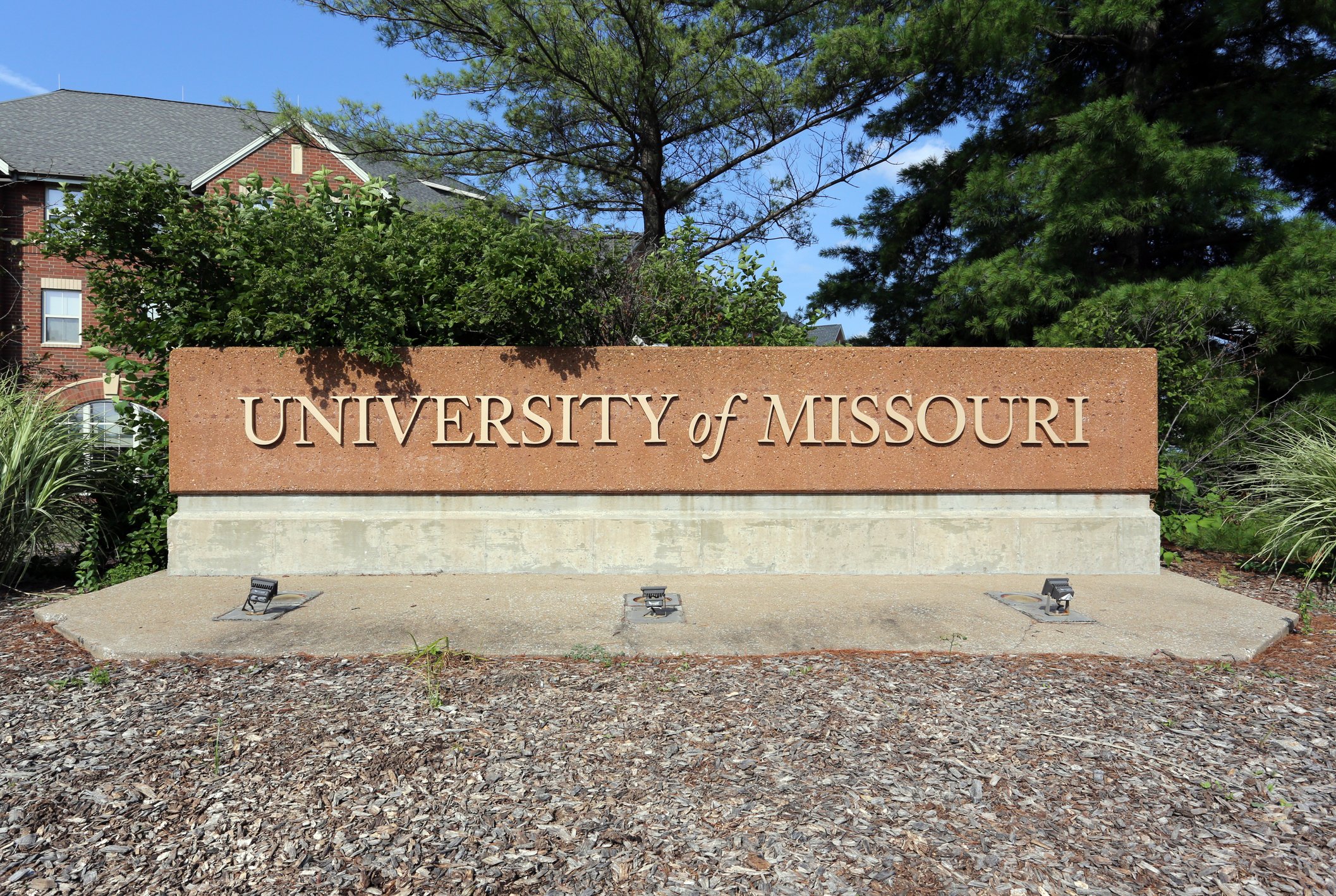
The University of Missouri announced its latest decision to comply with the Trump administration’s memo regarding DEI initiatives. Starting in July, it will cut funding to minority affinity groups, including its Black student government, called the Legion of Black Collegians, as well as the Association of Latin American Students, the Asian American Association, the Queer Liberation Front and Four Front, according to Inside Higher Ed and as reported by The Columbia Missourian. Here’s what’s happening.
The University of Missouri is cutting funding to minority affinity groups on campus
The university is cutting funding to minority affinity student groups and it will no longer recognize them as university-sponsored organizations. The institution said it is to comply with a memo regarding DEI restrictions sent by the Department of Justice in July.
“In the past, Mizzou allocated a portion of its student fees to fund certain affinity-based student organizations. These practices must be discontinued to align with federal law as outlined in the memo,” university spokesperson Christopher Ave said in an interview with Inside Higher Ed. “As a public institution, failure to follow federal law will risk forfeiture of significant federal funds that we receive to support student financial aid, research and other university programs.”
He added that the funding model is what was in violation of the memo, not the organizations themselves, saying, “The memo provides specific guidance on the Department of Justice’s interpretation of federal law.”
Faculty members at other universities said the decision is especially significant coming from the University of Missouri as it has a history of student protest and racial tension.
“Mizzou has been the canary in the mine,” Steve Mobley Jr., Morgan State University’s program director of higher education and student affairs, told Inside Higher Ed. “Whatever bubbles up and spills over … should absolutely be a warning signal to other institutions of what could be occurring on their campuses.”
Others say the move was disappointing but not surprising: “It is the outcome of a broader strategic and well-funded campaign to intimidate and discourage institutions from investing in programs, resources and institutional structures that are mission critical for populations that they have purportedly espoused to care about,” Royel Johnson, an associate professor of higher education at the University of Southern California said. “The lack of institutional will to counter the distortion … is really, really, really problematic.”
In 2024, the University of Missouri demanded that the Legion of Black Collegians change the name of its annual Welcome Black BBQ event citing inclusivity, as Blavity reported at the time. That same year, it cut scholarships based on race and dissolved its department responsible for DEI initiatives on campus.
University of Missouri’s decision to cutting funding to minority groups is getting backlash
Several student group leaders said they will keep fighting to make their voices heard on campus.
“What the university wants from us is to fizzle out,” Asher McFerran, the vice president of Queer Liberation Front (an LGBTQ+ student group) said in a Monday meeting, according to KCUR. “What they have been doing is taking away our funding, taking away our platforms and taking away our voices.”
“We are not going to let the university lead us into the darkness,” he added.
Minority affinity groups will now share a funding pool with over 600 other student organizations. Leaders of the Legion of Black Collegians and the Association of Latino American Students said they won’t be able to continue operations as usual because of such budget limitations.
“At the end of the day, we are all competing for the same scraps,” Karina Franquiz, who serves as the president of the Association of Latino American Students, told KNUR. “And that is the issue at hand here.”
The Legion of Black Collegians, which has been an official student government since 1969, will lose its status.
“It makes me angry and worried about the future,” Desmond Jones, the group’s vice president, said, per KNUR. “What are the kids who look like me… what are they going to do in the future and how are they going to find community here in the organization that made this sustainable.”