Every single person on social media has been drowning in the nostalgia of 2016. Ten years ago, times seemed simpler and pop culture seemed more vibrant. The air felt easier to breathe and so many trends made life seem more fun and playful.
However, while most of the focus has been on choker necklaces and matte lipstick looks, 2016 was a monumental year for Black culture in particular across music, film, and TV. Here are five highlights of the most critical moments that stood out for Black women at the time, and how those moments evolved over the decade.
Beyoncé’s ‘Lemonade’
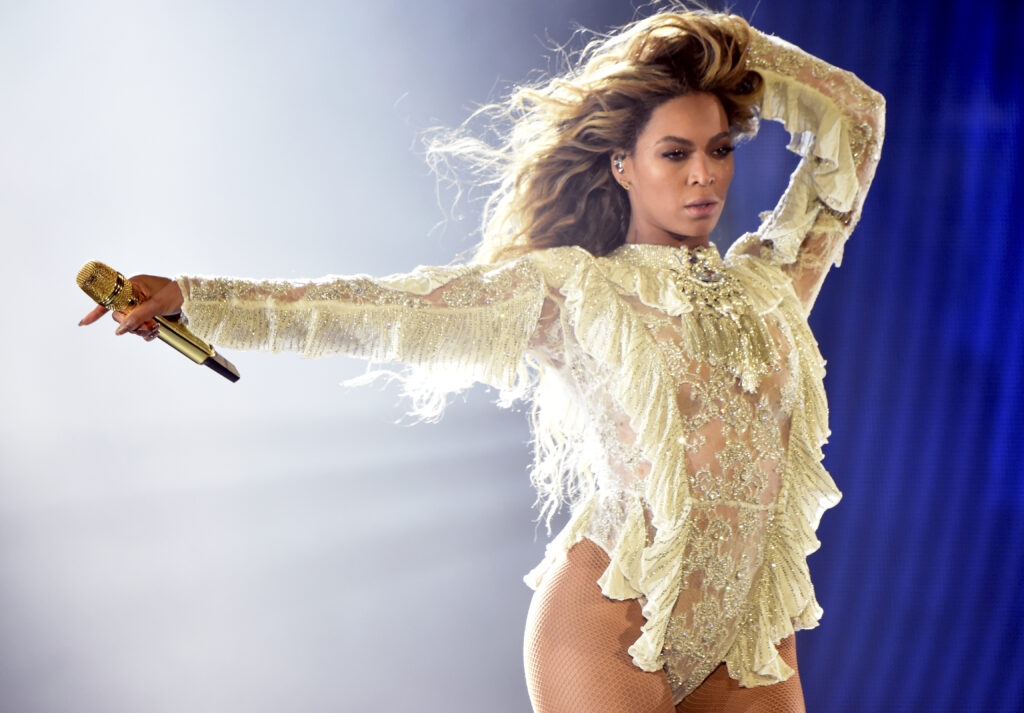
When “Lemonade” dropped in April 2016, no one could have been prepared. Released as a one-hour visual film on HBO, Beyoncé found a way to alchemize her grief into an immersive work of art. Fusing music with poetry, Southern Gothic imagery, and Black feminist thought, she gave an unwavering voice to every woman navigating betrayal, rage, and ultimately, healing.
Ten years later, she continues to use her music as a cultural compass. Still capitalizing off of 2024’sGrammy-award winning “Cowboy Carter”while teasing Act III, everything that she crafts as an artist is in devotion to a mission much larger than herself.
Rihanna’s ‘ANTI’

Though we certainly didn’t know it would likely be Rihanna’s last album, it was obvious that “ANTI”was something special. A rejection of genre confinement and the need to be radio-driven, “ANTI” was moody, experimental, and ventured unapologetically inward. “Needed Me” continues to stand the test of time as one of her most successful singles to date, a blinding light on an album that rewrote the rules and chose freedom over formula.
Nowadays, it’s a near impossible feat to get Rihanna anywhere near a recording booth. Motherhood is the superstar’s main priority, as she shares children RZA, Riot and Rocki with her partner, A$AP Rocky. This new chapter of her life is unequivocally her happiest, and it doesn’t seem like she’s returning to music any time soon.
The First Black American Girl Doll
In 2016, American Girl introduced Melody Ellison, a Black character set in 1964 Detroit during the Civil Rights Movement. This monumental moment marked the first Black doll in the brand’s modern BeForever historical line. Rocking a natural hair texture while carrying a story that gives light to a very important time in Black history, Melody was far more than just a doll. She served as a statement about identity and historical importance. For many Black children, Melody was the first time they got to see themselves reflected in a mainstream toy brand.
History is most certainly still being made, as the very first autistic Barbie doll was released in January 2026, portrayed as a Black girl with flexible joints for stimming, noise-canceling headphones, and a tablet with AAC apps. As more and more representation is prioritized among the toys that children interact with, the world will surely become a more familial place for young Black girls.
‘Insecure’ by Issa Rae

When Issa Rae’s “Insecure” debuted on HBO in October 2016, it immediately filled a void that had existed for decades. Black women watched shows like “Girls,” “Friends,” and “Sex in the City” with a desire to connect, though they ultimately felt isolated. That is until Rae brought the masses a show that told every Black girl coming of age’s story. From dating, to building a career, to maintaining female friendships, to the search for true identity, “Insecure” portrayed a young Black woman being all of herself. Rae’s character was ambitious, awkward, messy and pure-hearted, and she told her story without centering trauma.
Though she’s taken some time away from the spotlight, Rae continues to champion Black voices through her production company, Hoorae. Her legacy remains solidified as the success of “Insecure” and other production ventures like “Rap Sh!t” and “One of Them Days” encouraged many other young Black writers and artists to take up space.
Solange’s ‘A Seat at the Table’
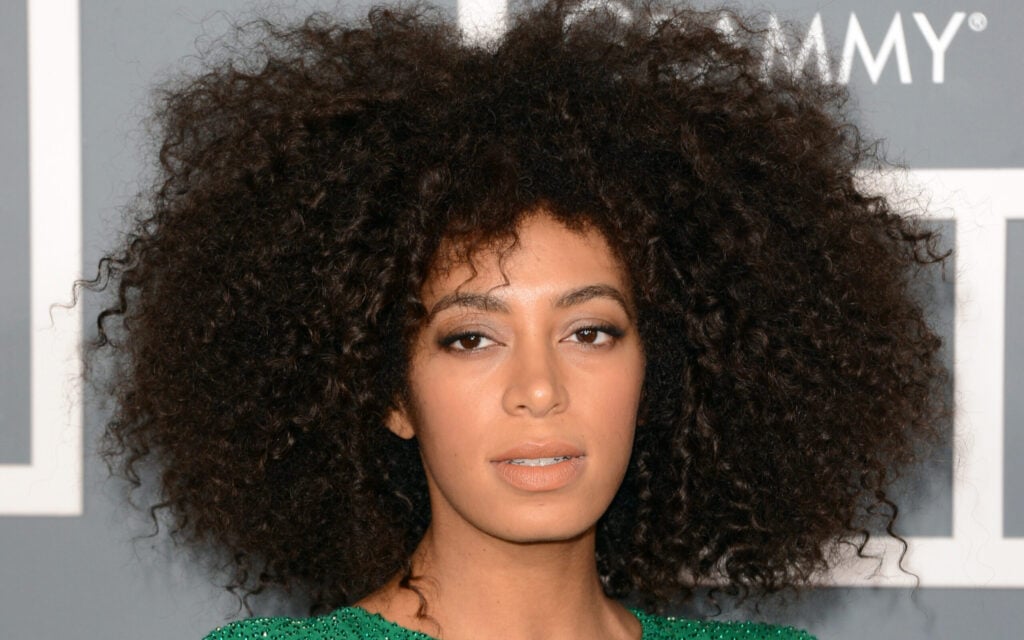
Beyoncé wasn’t the only Knowles sister brave enough to tell her story in 2016. But while “Lemonade” was fiery and fueled with feminine rage, Solange’s “A Seat at the Table” was much more meditative, restrained, and intentional. Songs like “Cranes in the Sky,” “Mad,” and “Don’t Touch My Hair” were gentle exclamations of resilience, producing anthems about bodily autonomy and respect. For many Black women, Solange gave them permission to protect their peace by any means necessary, framing rest as resistance.
Today, Solange continues to push artistic boundaries, just through different mediums. In fact, in 2022, Knowles composed a score for the New York City Ballet, becoming the third woman and first African American to serve in that role for the company.