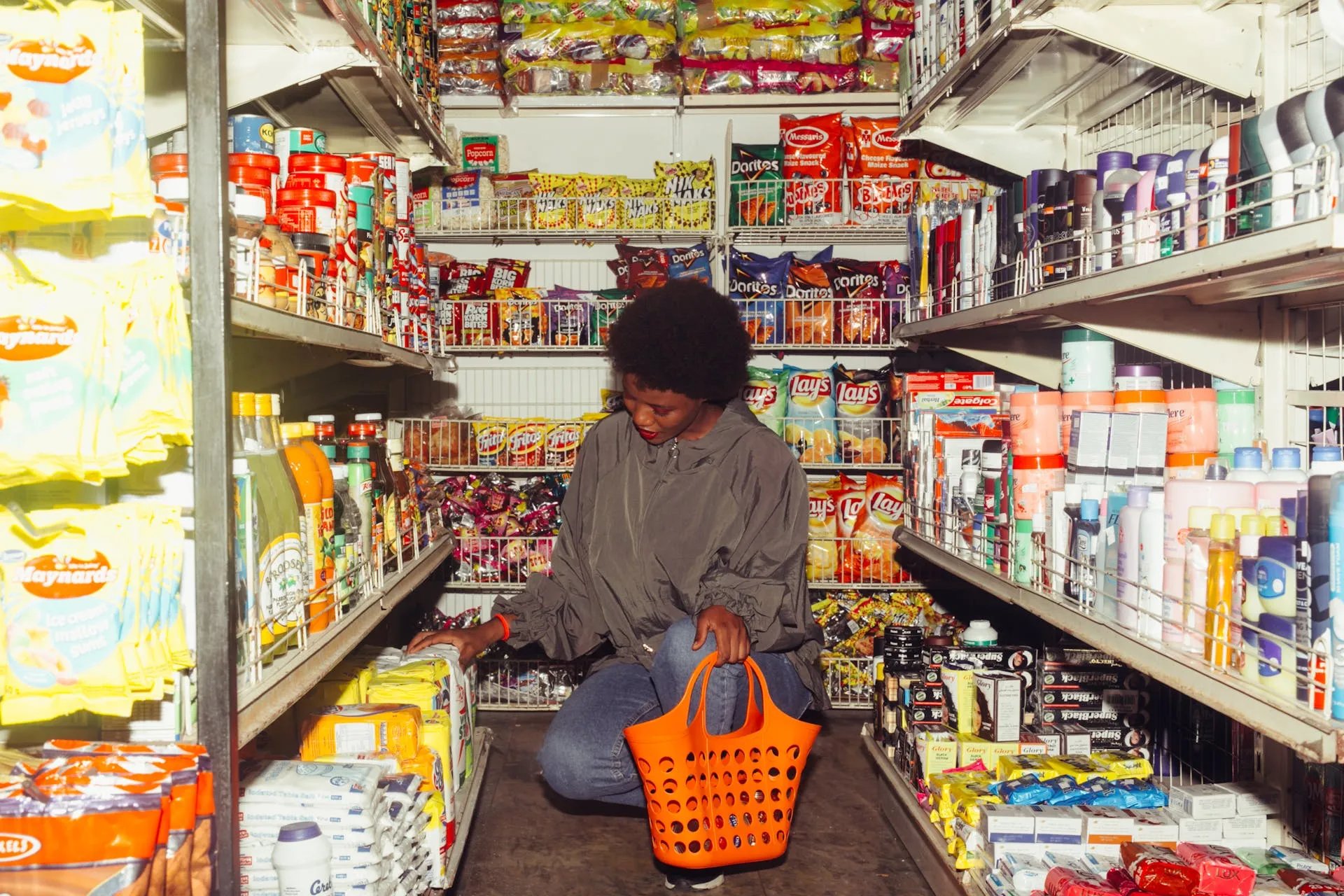
Food costs are up. The average family in America spends roughly $270.21 at the grocery store per week, according to a study by HelpAdvisor that analyzed the U.S. Census Bureau Household Pulse Survey. That number increases when children are factored in. HelpAdvisor found that households with children spend an average of $331.94 a week at the store, or 41% higher than households without children.
Due to inflation, the cost of the bare necessities – like eggs, milk, bread, and cereal – are up. Simply feeding your family can feel like it might break your bank.
Saving money on the seemingly small things like groceries can make a huge difference and set you up for a strong financial future. Here are some money-saving tips for your next produce run.
Create a Budget
While “budgeting” might not be the most appealing or sexy idea, it is critical when it comes to grocery shopping. Your monthly budget should include money allocated for your weekly or bi-weekly produce runs. Perhaps, if you’re single and living alone in a major city, you spend $400 to $500 a month on groceries. If you are living with a significant other, those costs might double to between $700 and $800. If you are a family of four or five, you can easily spend well over $1,200 monthly.
Budgeting helps you not go overboard. By incorporating what you expect to spend into the budget, it will help you set aside money for the essentials in your fridge. This will encourage you to avoid needlessly eating out or ordering take out on the days when you’re tired.
Utilize What’s Already in the Pantry or Fridge
This budgeting tip will require you to get creative. Take a look at what you have in the fridge and pantry. Maybe it’s stuffed ravioli, zucchini, butter, cream cheese, and lemon. Put together a vegetable roasted ravioli with lemon sauce. Perhaps you have a few vegetables, eggs, and a bag of rice. Whip together a stir fry.
To avoid spending too much money, focus on the ingredients you already have and the meals you can make with them. Challenge yourself to empty your fridge as much as possible before your next grocery run.
Know What to Buy at the Farmers’ Market
You might assume that produce at the farmer’s market is more expensive than the grocery store because it’s likely organic, sustainable, and higher quality. This isn’t always the case. It’s critical to know what to look for at your local farmer’s market, as you can sometimes find better deals than a grocery store.
For example, fresh herbs from the farmer’s market will always be fresher, last longer, and be less expensive than the grocery store. Also, another great farmer’s market selection for quality and price are stone fruits (like peaches and plums) and berries. Also, if there are speciality items that are in-season, it’s better to purchase them at the farmer’s market. You will likely pay a premium for specialty items like black raspberries and morel mushrooms at the grocery store.
Reframe What Dinner Looks Like
Some people swear by breakfast for dinner. The fun part is breakfast tends to be easier, faster, and more cost-efficient than meals traditionally offered at dinnertime. Opt for pancakes or french toast for dinner. If it’s for a larger group, add some roasted potatoes and a side of eggs.
If breakfast for dinner isn’t your thing, no worries. You can opt for more simple and cost-efficient, but still tasty, dinners. Not all dinners have to be a five-star restaurant type of meal.
Who doesn’t love a good grilled cheese sandwich and a bowl of tomato soup? You can try something simple like a roasted chicken sandwich and potatoes or a tuna melt. Whatever you do, think simple.