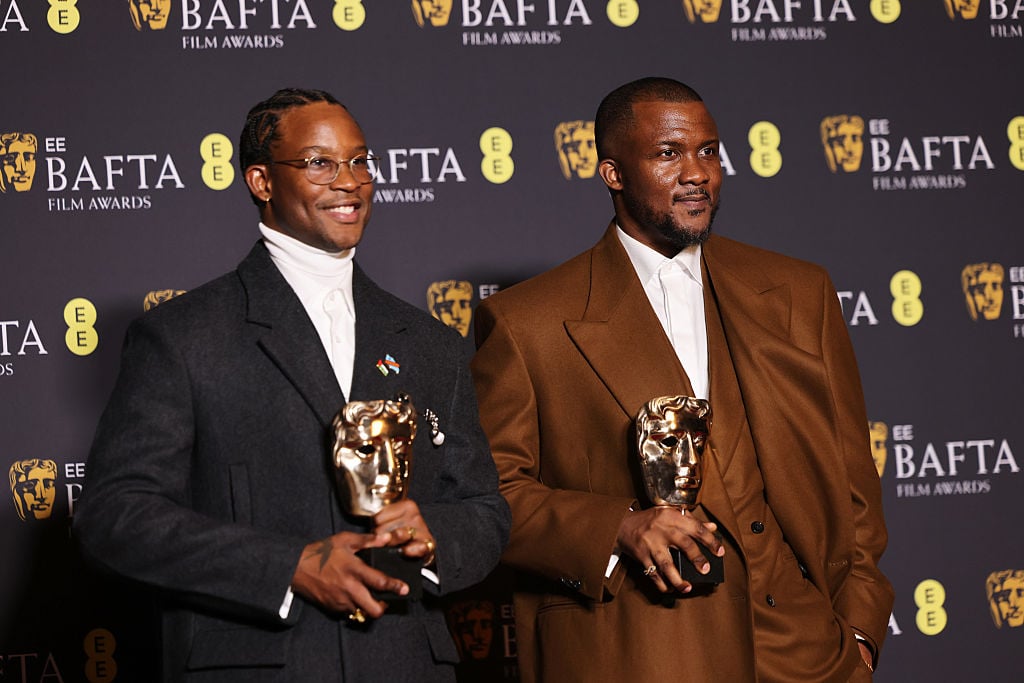
The BBC’s airing of this year’s BAFTA film awards has created controversy over the network’s decision to cut an awardee’s pro-Palestine remark from the show’s broadcast. While the BBC has defended the move as a routine editorial decision, it stands out given the network’s past dealings with content related to Palestine, and the BAFTA edit is drawing criticism given the network’s decision not to cut a racial slur from the same broadcast.
‘Free Palestine’ portion of acceptance speech edited out of BBC broadcast
During Sunday night’s BAFTA awards show, Wale Davies and Akinola Davies Jr. won the award for Outstanding Debut for a British Writer, Director or Producer for their film My Father’s Shadow, which chronicles a trip by the two brothers observing their father in Nigeria as they visit for a 1993 family reunion. While part of the Davies brothers’ acceptance speech was aired, the BBC cut a section toward the end in which Davies Jr. spoke of oppressed and marginalized people.
“To the economic migrant, the conflict migrant, those under occupation, dictatorship, persecution and those experiencing genocide, you matter and your stories matter more than ever. Your dreams are an act of resistance,” Davies Jr. said in the portion of the speech that did not air on the BBC broadcast later that night. “To those watching at home, archive your loved ones, archive your stories yesterday, today and forever. For Nigeria, for London, Congo, Sudan, free Palestine. Thank you,” Davies Jr. concluded in the clip, which is available on social media.
BBC defends decision, doesn’t mention past controversy
The BBC defended the edit, with a spokesperson saying: “The live event is three hours and it has to be reduced to two hours for its on-air slot. The same happened to other speeches made during the night and all edits were made to ensure the programme was delivered to time.” The network’s statement also noted, “All winners’ speeches will be available to watch via BAFTA’s YouTube channel.”
Even though the BBC has presented the cut as a normal editorial decision, the move comes after the network has received scrutiny for past broadcasts relating to Palestine. Notably, in 2025, the BBC received criticism and accusations of antisemitism after it aired a performance by the musical duo Bob Vylan as part of the Glastonbury music festival, in which the musicians led the audience in chants such as “Free, free Palestine” and “Death, death to the IDF,” in reference to the Israeli Defense Forces.
BBC criticized for editing Palestine remark but not racial slur
The edit of the “free Palestine” remark from the BAFTA broadcast was particularly noteworthy in contrast to another moment, also featuring two Black film industry figures, that was not edited. During a presentation of an award by Sinners actors Michael B. Jordan and Delroy Lindo, a man identified as Tourette’s advocate John Davidson shouted the N-word from the audience. Although BAFTA host Alan Cumming noted that some may have been “offended” by the remark, the slur was left in the BBC broadcast of the award show, along with other obscenities shouted by Davidson.
“This is a disgrace,” journalist Richard Sudan posted about the disparities in editing the two moments. “Make no mistake, the BBC made a deliberate choice in allowing this racial slur to be aired and then broadcast the clip. They did, however, manage to cut out Akinola Davies Jr. saying ‘Free Palestine.’”
The potential inconsistency with which the BBC edited out content relating to Palestine and other oppressed societies while leaving in racially offensive material is adding to the controversy the network is facing over its BAFTA broadcast. Whether or not political considerations influenced the BBC, the network’s history and its other decisions are causing viewers to question this choice.