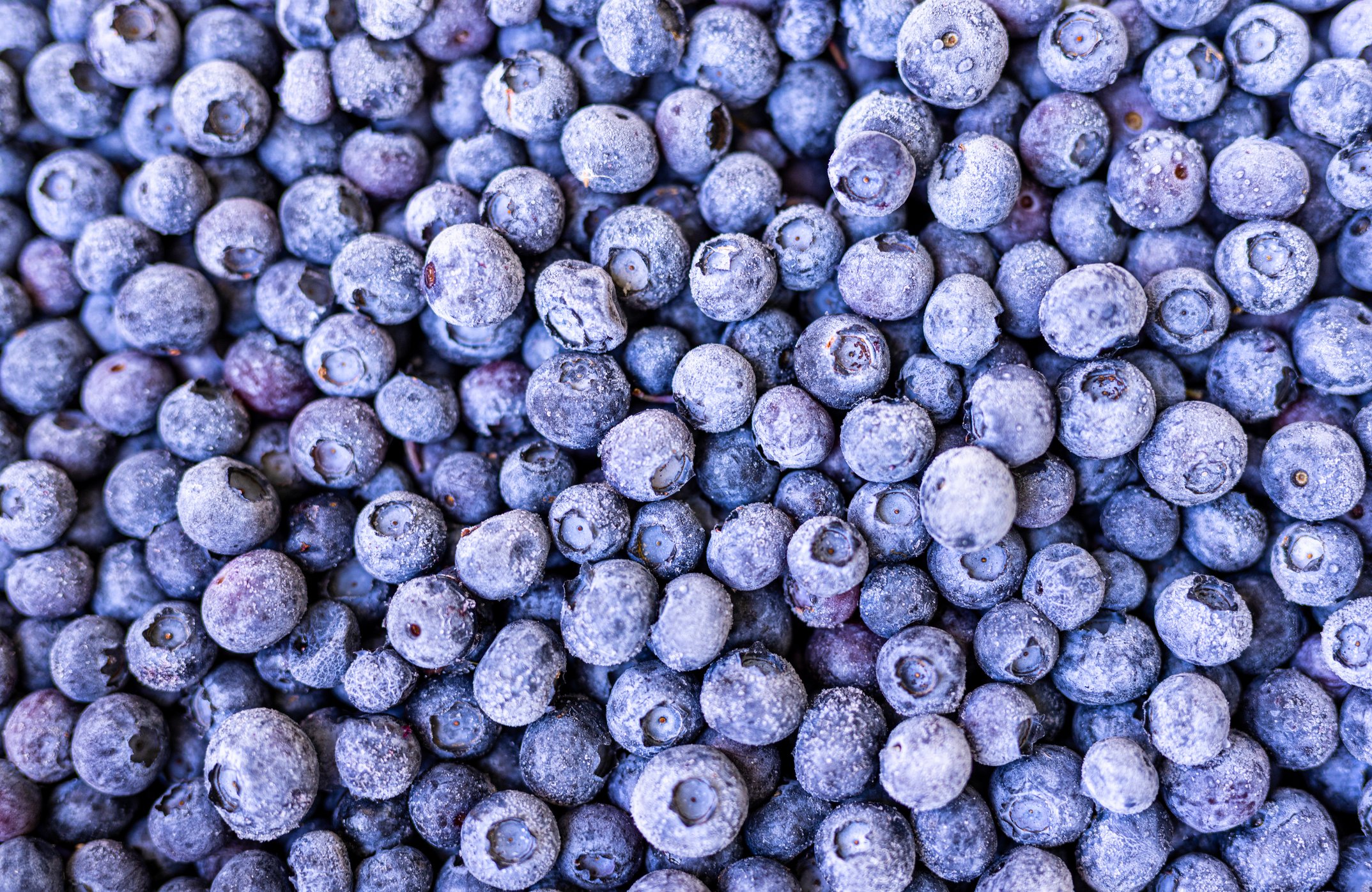
Over 50,000 pounds of frozen blueberries were recalled due to the presence of listeria monocytogenes, which can lead to serious infections. The contaminated product was shipped to Michigan, Oregon, Washington and Wisconsin, as well as Canada. It was not sold to consumers from retail stores. Here’s everything you need to know about the recall.
What frozen blueberries were recalled?
Oregon Potato Company LLC issued a voluntary recall on Feb. 12, according to the FDA and as reported by People.
The recall affects 55,689 pounds of frozen blueberries sold by the company. The product was packaged in 30-pound corrugated cases with polyethylene liners and 1,400-pound totes.
The affected lot codes for the 30-pound cases include 2055 B2, 2065 B1 and 2065 B3, with expiration dates ranging from July 23 to July 24, 2027. The lot codes for the 1,400-pound totes feature the lot codes 3305 A1 and 3305 B1 with expiration dates of Nov. 25, 2027.
The frozen blueberries were recalled due to potential listeria contamination
The FDA issued a Class I recall on Feb. 24, which refers to a “situation in which there is a reasonable probability that the use of or exposure to a violative product will cause serious adverse health consequences or death.”
There have been no reported illnesses tied to the recall so far, according to The Independent.
Listeria is a bacteria that can contaminate foods and can be contracted by consuming the contaminated food. It can even survive refrigeration and freezing, per Good Housekeeping.
The Independent reported that listeria can “cause invasive illness and intestinal illness.” Short-term symptoms in healthy individuals include high fever, severe headache, stiffness, nausea and abdominal pain.
Listeria infection can occur in anyone but can especially be harmful for pregnant women, newborns, adults aged 65 or older and people with weakened immune systems, according to the CDC. In the U.S., it is the third leading cause of death from foodborne illness.