
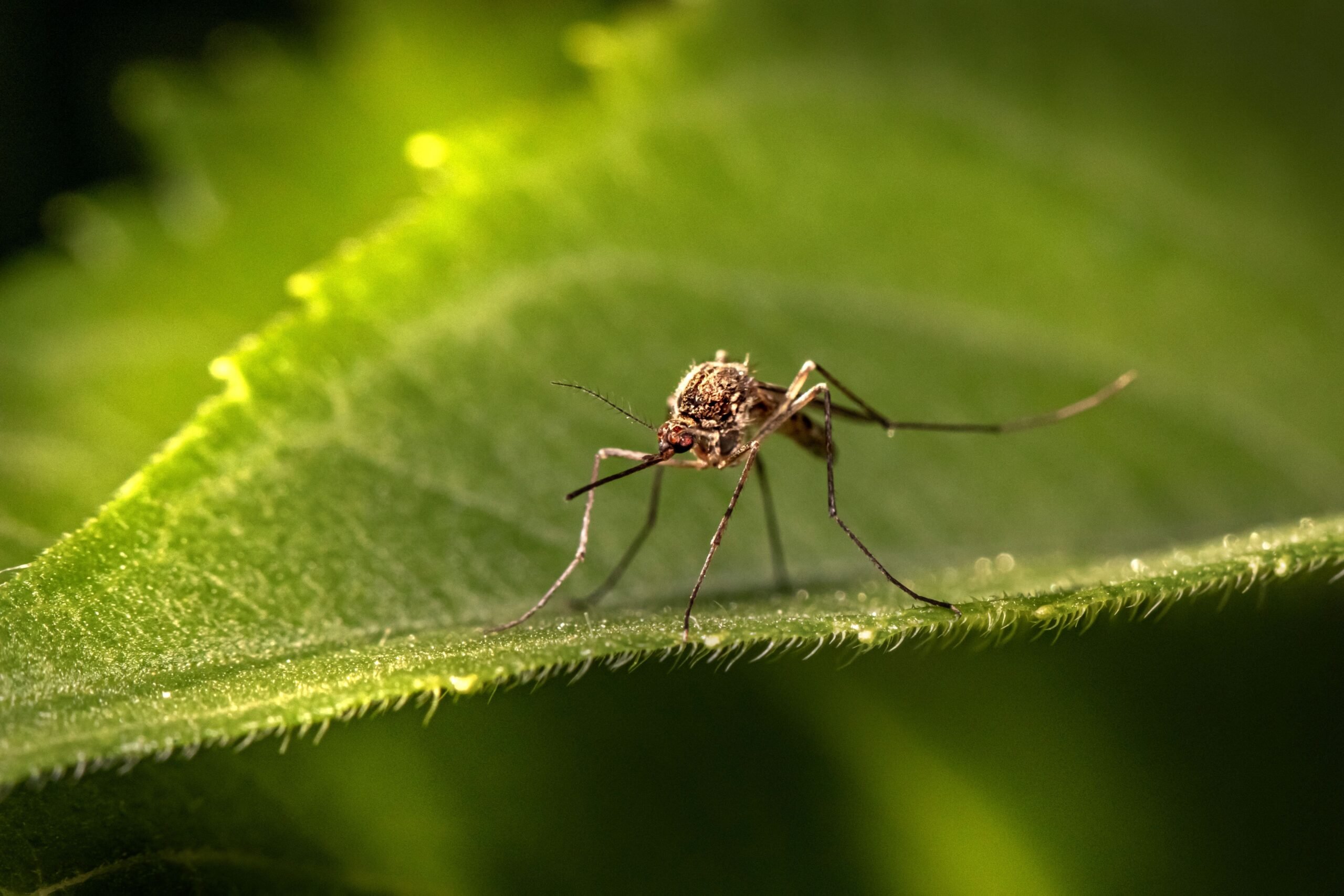
Warm coastal weather makes outdoor living fantastic, but humid subtropical climates are also ideal breeding grounds for mosquitoes. Florida health officials recently raised concerns after confirming 10 locally acquired cases of dengue fever across two Gulf Coast counties, with 8 in Hillsborough County and 2 in Pinellas County. While Florida has logged nearly 150 total dengue cases statewide this year, the vast majority were contracted abroad by travelers who brought the virus home before local mosquitoes could pick it up.
Even though the nationwide risk of widespread transmission remains low, local cases warrant prompt attention, given how the virus affects the body. Medical researcher Tunde Rasheed tells Blavity Health, “Dengue is a viral disease spread by infected female Aedes mosquitoes, and is commonly referred to as ‘breakbone fever’ because it causes painful muscle, joint and bone aches. It can cause intense physical pain and vascular problems that can prove life-threatening.”
These localized outbreaks extend beyond Florida, as states like Texas, Hawaii, Arizona and California have also seen small pockets of transmission. Shifting climate patterns and expanding insect habitats are gradually widening the geographic footprint of traditionally tropical diseases. Staying safe comes down to simple awareness: knowing the early warning signs, understanding how the virus behaves and taking proactive steps to avoid mosquito bites while enjoying the outdoors.
What is dengue fever?
Dengue fever is an acute viral illness caused by any of four closely related serotypes of dengue virus, known as DENV-1, DENV-2, DENV-3 and DENV-4. These pathogens are in the Flaviviridae family, which includes yellow fever, West Nile virus and Zika virus.
Dengue is the fastest-growing mosquito-borne viral disease in the world, according to data from the World Health Organization (WHO). Every year, nearly 400 million people are infected worldwide, with about 100 million having symptoms and thousands dying, mostly in tropical and subtropical climates.
PubMed Central explains that female Aedes mosquitoes infected with the virus are the primary carriers of the disease; the most common species are Aedes aegypti and Aedes albopictus, the latter known as the Asian tiger mosquito. Aedes spp. are daytime biters, with the highest biting activity in the early morning and late afternoon before sunset; also, unlike many common nuisance mosquitoes. Although the majority of patients with dengue have been imported from people traveling to endemic areas of the Caribbean, Central America, South America and Southeast Asia, there are established populations of Aedes mosquitoes in the southern states of the U.S., so that a visiting traveler with the live virus could infect a local person with the virus by being bitten by a local mosquito.
Which country has the most dengue fever?
Brazil consistently has the highest number of dengue fever cases worldwide. Surveillance data released by the Pan American Health Organization (PAHO) indicate that the Americas experience frequent cyclical dengue epidemics, and Brazil has reported a large number of suspected and confirmed cases each year. The country’s wide tropical climate, urban population, monsoon-season rainfall and widespread distribution of Aedes aegypti create conditions for continuous transmission.
Other countries with frequent reporting of a high burden of severe dengue include Paraguay, Argentina, Colombia, Peru and much of Southeast Asia, including Indonesia, Vietnam, the Philippines and Thailand. Climate change has expanded the range of vectors in recent years, bringing warmer winters and longer rainy seasons to previously unaffected temperate high-altitude areas in South America and Southern Europe.
What’s happening in your body
An infected Aedes mosquito deposits the dengue virus directly into the dermis (the layer under the skin) when feeding on humans.
The viral particles bind immediately to dendritic cells, the frontline immune cells located in the outermost layers of the skin, according to a study published by the National Institutes of Health (NIH). These immune cells are not neutralized but are “hijacked” by the pathogen. The virus invades cells and multiplies in the cytoplasm; infected cells are carried to regional lymph nodes, which disseminate the virus throughout the lymphatic system.
Fresh viral particles are now available in the general circulation from the lymph nodes, and primary viremia occurs. The virus attacks circulating monocytes and macrophages and infects endothelial cells in microcapillaries.
In response, the immune system releases large amounts of inflammatory cytokines and chemokines, triggering a robust inflammatory cascade that affects the entire body. This “hyper-inflammatory state” alters blood vessel permeability, leading to tiny cracks between the cells lining them, allowing plasma to leak into the tissues.
At the same time, the virus inhibits the bone marrow’s ability to produce megakaryocytes, which are precursor cells that produce blood platelets. It also produces antiplatelet autoantibodies, which cause platelet counts to fall to very low levels (thrombocytopenia). Dirt walls in the capillaries, low platelet counts and ineffective clotting mechanisms contribute to plasma loss, significant drops in blood pressure and internal bleeding.
Causes of dengue fever
The basic reason for the occurrence of dengue fever is the presence of an infected person, a mosquito vector and a susceptible person. The uninfected mosquito must feed on a person in the viremic phase of the infection, which usually lasts from the last day of incubation through the first 4-5 days of acute fever.
The virus enters the insect, infects midgut cells, and enters an extrinsic incubation period of 8-12 days. The virus circulates in the mosquito during this period until it reaches the glands that secrete saliva. After the salivary glands become infected, the mosquito can spread the virus for the duration of its life (2-4 weeks in nature).
Environmental factors beyond biological transmissions greatly accelerate the spread of the virus. The Aedes female mosquito is a “container breeder” and can be found in artificial water containers. Unused car tires, dirty birdbaths, dirty roof gutters, flowerpot saucers, exposed rain barrels and plastic pet bowls with water in them make great nurseries. Their eggs can dry out and persist on container walls for months without water, and rain easily stimulates egg hatch, leading to sudden local outbreaks of mosquitoes.
Mosquitoes that bite you are probably breeding in your own backyard, as Aedes mosquitoes are not known to stray more than 150 feet from their own hatching sites. Eliminate items that hold standing water, such as flowerpot saucers, pet water bowls, tarps and birdbaths, once a week. Cleaning the walls of containers will dislodge sticky mosquito eggs, which can last for months under dry conditions.
Health risks and complications
Most people with dengue recover within 1 to 2 weeks, but about 1 in 20 will develop severe dengue, formerly called dengue hemorrhagic fever (DHF) or dengue shock syndrome (DSS).
The Mayo Clinic defines severe dengue as a life-threatening medical emergency characterized by systemic vascular collapse. As capillary permeability increases, large amounts of fluid escape into the space around the lungs (pleural effusion) and the space in the abdomen (ascites). This sudden loss of the intravascular volume causes severe hypovolemic shock and profound hemodynamic instability with loss of oxygen delivery to vital organs.
In addition, severe deficiency in platelets and platelet dysfunction lead to spontaneous bleeding. Patients may have persistent gum bleeding, nosebleeds that can’t be controlled, bleeding of the gastrointestinal system (GI bleeding) that may lead to bloody vomit or black tarry stools, and large hematomas under the skin.
PubMed Central notes that acute liver injury, heart failure and inflammation of the central nervous system, such as encephalitis, can also occur during severe dengue. Severe dengue deaths can be over 20% if not treated promptly and correctly in a hospital with intensive care facilities and having experts in managing intravenous fluids. Still, with early supportive hospital treatment, the death rate is below 1%.
One of the most dangerous immunological interactions is known as antibody-dependent enhancement (ADE), which is why reinfection is considered more dangerous. Once a person has had dengue, they are immune to that serotype for the rest of their life. They, however, acquire only partial, short-term cross-immunity against the other three serotypes.
When that person is re-infected months or years later with a different serotype, the non-neutralizing antibodies produced by the previous infection bind to the new virus without destroying it. Still, they aid the virus in entering host macrophages and greatly stimulate viral replication, thereby increasing the likelihood that an individual will be severely affected by the infection and develop life-threatening disease.
What to do about dengue fever symptoms
As dengue is viral, there are no antiviral prescription medicines to cure the infection. Treatment is mainly symptomatic and involves careful fluid management and avoiding antithrombotic drugs.
Acetaminophen (paracetamol) is the only medication approved for over-the-counter sale for high fever and debilitating muscle aches.
Nonsteroidal anti-inflammatory drugs (NSAIDs) such as aspirin, naproxen and ibuprofen should be completely avoided by patients and caregivers. NSAID use during a dengue infection significantly increases the risk of major internal gastrointestinal bleeding due to NSAIDs’ blood-thinning properties, impairing normal platelet aggregation and causing stomach irritation.
Oral hydration is the key to outpatient recovery and must be done continuously and aggressively. To replace electrolytes lost due to excessive sweating, diarrhea, nausea and vomiting, patients should drink balanced fluids, such as oral rehydration salts, broth and coconut water (not plain tap water alone).
When to see a doctor
If you suddenly develop a high fever with severe headaches, pain behind the eyes or intense joint aches, you should seek medical attention, especially if you live in an area with a local transmission alert or have recently traveled to tropical countries or regions.
The most serious phase for any dengue patient is the critical phase, the period when the first high fever subsides and drops below 100°F (38°C), occurring 3-7 days after the onset of the disease. Vascular leakage can suddenly worsen during this transition period, which will take 24-48 hours.
The Mayo Clinic says that immediate medical attention is crucial if you or a family member experiences signs of severe dengue. In addition to the relentless, severe abdominal pain or tenderness, other critical physical symptoms are persistent vomiting (fluids are not retained at least 3 times within 24 hours). Similarly, it’s important to be aware of any signs of unusual bleeding, such as blood in the stool or vomit, blood on the gums, nose or mucous membranes.
Other critical red flags include alterations in circulation, breathing and mental status. Get immediate assistance if the person has rapid, shallow breathing or is short of breath at rest. Sudden dizziness when standing, with cold, clammy, unusually pale skin, may be a sign of circulatory collapse. Also, when the systemic stress is severe, there may be dramatic changes in cognition and behavior, including very low energy, restlessness, confusion, disorientation or great difficulty waking.
Special laboratory blood tests are ordered to confirm an active infection, such as reverse transcription-polymerase chain reaction (RT-PCR) to detect viral RNA or enzyme-linked immunosorbent assay (ELISA) to detect the dengue nonstructural protein 1 (NS1) antigen in the first week of illness. Later in the course of the disease, IgM and IgG antibody panels are used to confirm the immune response.
What does a dengue fever rash look like?
A dengue rash has two phases: a pale, transient pink rash on the face and neck that appears within the first 48 hours of fever, and a second rash that develops after the fever has subsided. Three to six days later, a second rash appears, which is quite distinctive and appears as bright red, measles-like maculopapular spots all over the back, arms and legs, sometimes with small, round islands of perfectly normal pale skin in between, what dermatologists call “white islands in a sea of red.”
How do doctors treat severe dengue in the hospital?
Severe dengue is managed in an inpatient or intensive care unit with meticulous intravenous fluid therapy, regular monitoring for plasma leakage as indicated by hematocrit levels and platelet transfusion for uncontrolled hemorrhage, and support of blood pressure and organ perfusion.
“There’s four different types of dengue and what has happened in the past when you get severe dengue infection is that you’ve been infected with one type of dengue virus,” USF Health virologist and associate professor of medicine Dr. Michael Teng said. “And then you get infected with a different type of dengue virus, and your immune system doesn’t protect you from that second type of the virus, but it makes things worse.”
Bottom line
Dengue fever is a painful, mosquito-borne viral disease transmitted by daytime -biting Aedes mosquitoes that causes severe fevers, debilitating body aches, and retro-orbital headaches. Although clusters of local transmission, such as the one in Florida, have been relatively small, about one in 20 people with dengue can develop more serious complications that include life-threatening plasma leakage, internal bleeding, and vascular shock. Taking care to avoid mosquito bites outdoors, eliminating standing water around the house, using only acetaminophen to treat pain, and getting medical attention right away if the belly hurts or the nausea doesn’t settle down are important.
Frequently Asked Questions
How long does dengue fever last?
Acute symptoms of dengue fever typically last between two and seven days, with the vast majority of individuals recovering fully after about one to two weeks. However, mild fatigue and joint stiffness can linger for several weeks afterward.
Is it safe to be around someone with dengue?
Yes, it is entirely safe to be around an infected individual because dengue is not contagious and cannot spread directly from person to person through casual contact, respiratory droplets, saliva or touch.
Citations
Vawter H. Health alerts issued as cases of painful illness typically found in tropical countries spreads across Florida. FOX Weather. Published August 29, 2026. https://www.foxweather.com/earth-space/breakbone-fever-dengue-mosquito-alert-florida-health
World Health Organization. Dengue and severe dengue. World Health Organization. Published August 21, 2025. https://www.who.int/news-room/fact-sheets/detail/dengue-and-severe-dengue
Islam MT, Quispe C, Herrera-Bravo J, et al. Production, Transmission, Pathogenesis, and Control of Dengue Virus: A Literature-Based Undivided Perspective. BioMed Research International. 2021;2021:e4224816. doi:10.1155/2021/4224816
PAHO. PAHO updates dengue situation in the Americas, recommends strengthened surveillance and health system preparedness. Paho.org. Published February 20, 2026. https://www.paho.org/en/news/20-2-2026-paho-updates-dengue-situation-americas-recommends-strengthened-surveillance-and
Haniffa M, Gunawan M, Jardine L. Human skin dendritic cells in health and disease. Journal of Dermatological Science. 2015;77(2):85-92. doi:10.1016/j.jdermsci.2014.08.012
Mayo Clinic. Dengue fever – Symptoms and causes. Mayo Clinic. Published 2024. https://www.mayoclinic.org/diseases-conditions/dengue-fever/symptoms-causes/syc-20353078
Juneja D, Jain R, Nasa P. Dengue induced acute liver failure: A meta summary of case reports. World Journal of Virology. 2024;13(1):91457. doi:10.5501/wjv.v13.i1.91457